

Around 100 injured people, a simulated rocket attack on a passenger train, and a joint rescue operation by services from Poland and Ukraine. On 27–28 October 2026, international rescue exercises “MEDYKA-2026” took place at the railway border crossing in Medyka. The scenario referred to the Russian attack on the railway station in Kramatorsk in 2022.
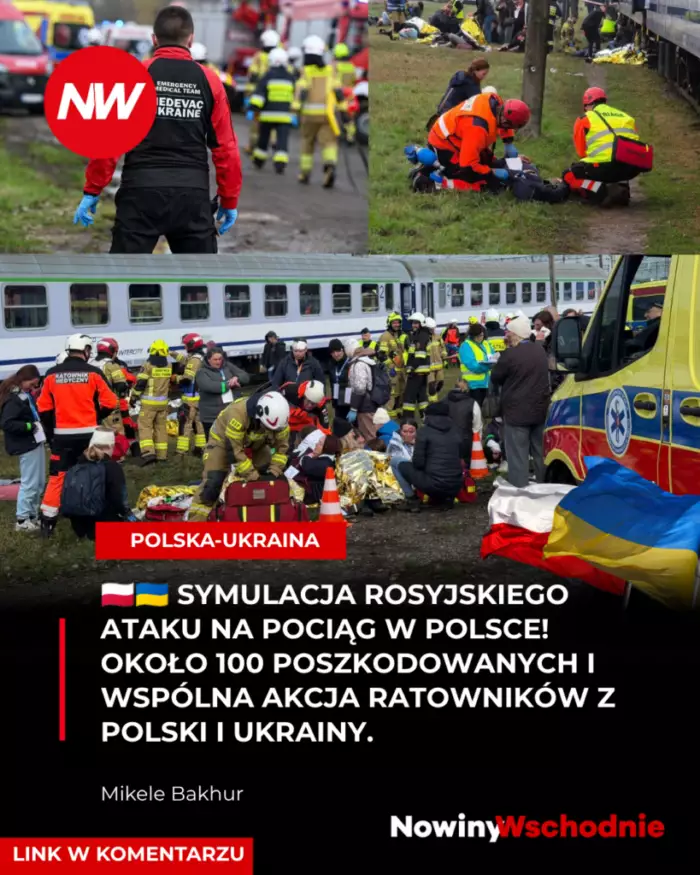
An attack on a train and dozens injured. This is what the exercise scenario looked like


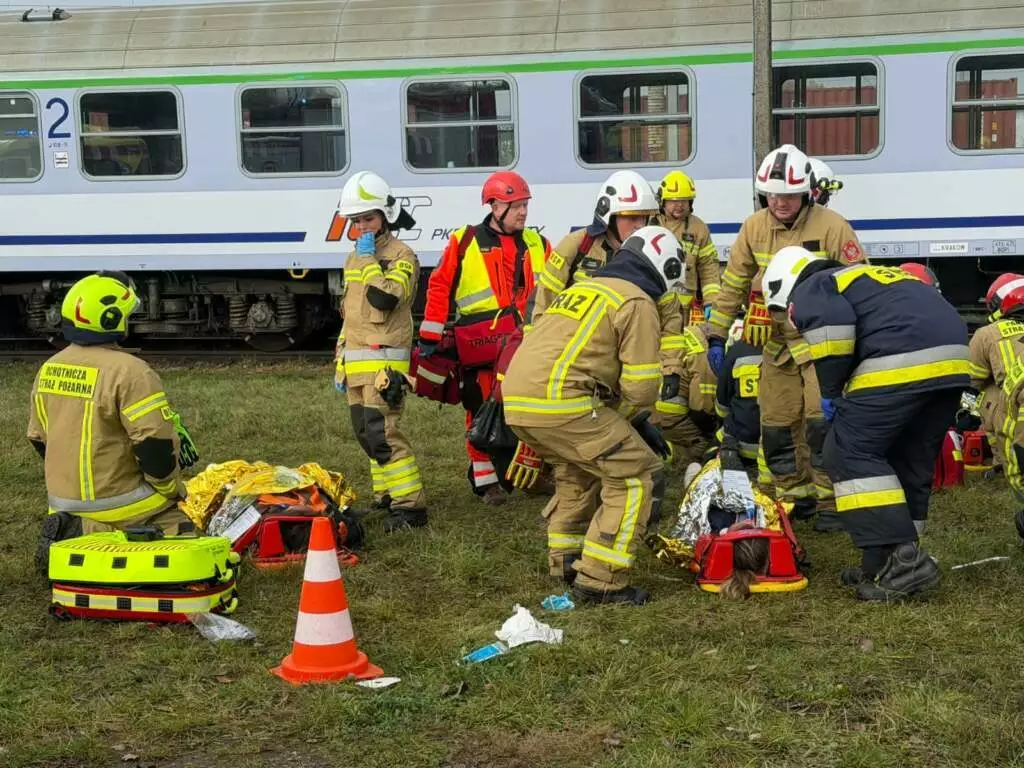
At the railway border crossing in Medyka, near the Polish-Ukrainian border, a two-day exercise of rescue services was conducted, aimed at checking readiness to respond to incidents with a large number of casualties.
According to the adopted scenario, an enemy drone or missile struck the area of the platform where a passenger train was located. Around 100 injured people were present at the simulated incident site.
The situation required quickly notifying the appropriate services, securing the area, providing assistance to the injured, and organizing the transport of patients to hospitals.
Although the events were only a simulation, the scenario referred to a real threat that Ukraine has been facing since the beginning of Russia’s full-scale invasion.
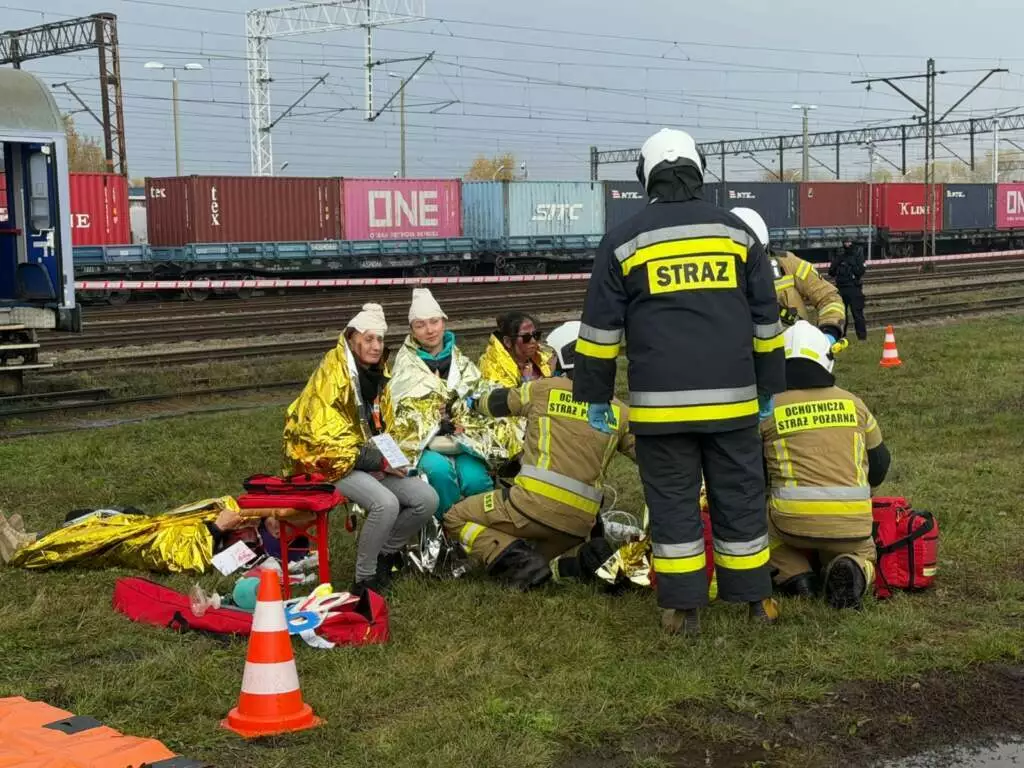
Scenario inspired by the tragedy in Kramatorsk
The exercise organizers referred to the tragic missile attack on the railway station in Kramatorsk, which took place on 8 April 2022.
At that time, civilians waiting to be evacuated from the threatened region were at the station. The strike caused the deaths and injuries of many people, including women and children.
The tragedy in Kramatorsk became one of the most widely known examples of the threats faced by the civilian population during war.
It was precisely this kind of incident that the services taking part in the maneuvers in Medyka were preparing for.
Rescuers from Poland and Ukraine worked together
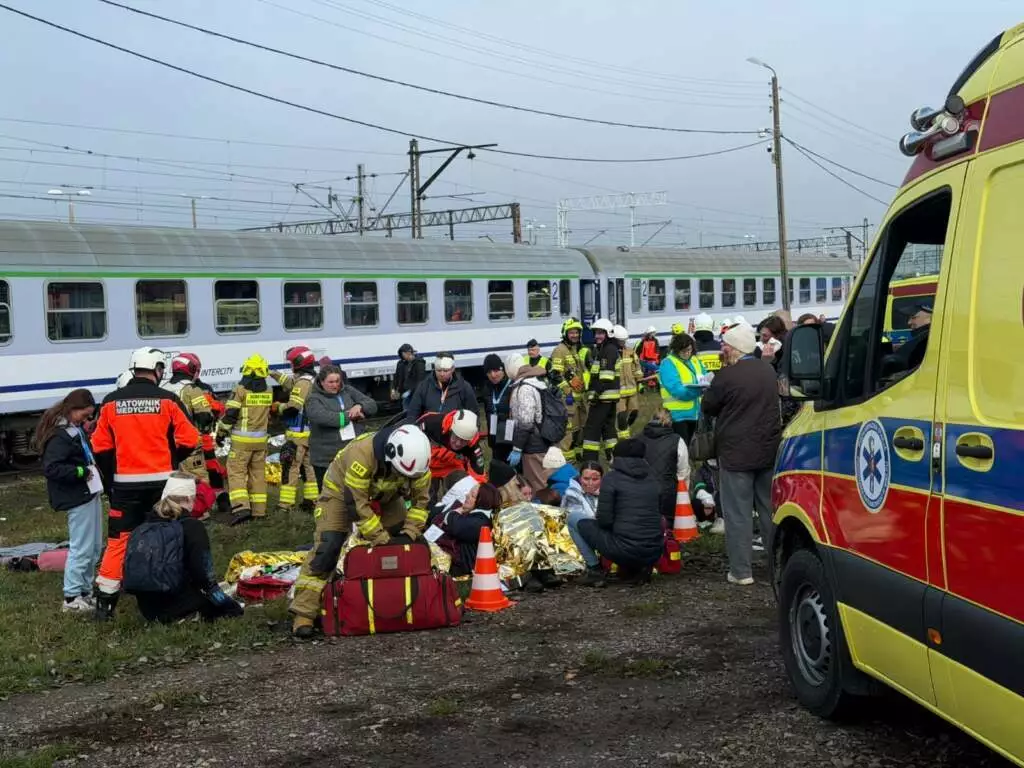
Polish emergency and uniformed services took part in the “MEDYKA-2026” exercise, including emergency medical teams, the fire service, the Border Guard, the police, and the military.
The Disaster Medicine team from the Lviv Regional Center for Emergency Medical Services and Disaster Medicine also took an active part in the operations.
Ukrainian rescuers, who on a daily basis operate in a country at war, had the opportunity to practice crisis-response procedures together with their Polish colleagues.
Representatives of the Hungarian ambulance service also participated in the event, observing the course of the maneuvers.
The international nature of the exercise enabled an exchange of experience and a test of cooperation between services from different countries.
Medical triage, first aid, and evacuation of the injured
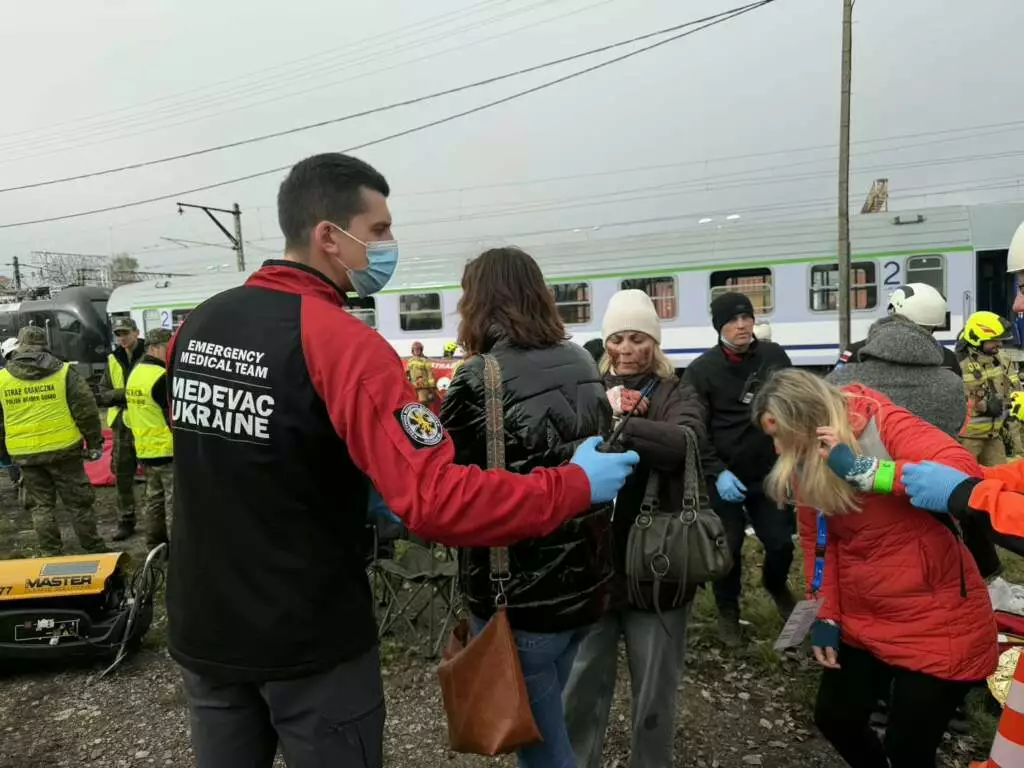
One of the most important elements of the exercise was organizing medical assistance in the conditions of a mass-casualty incident.
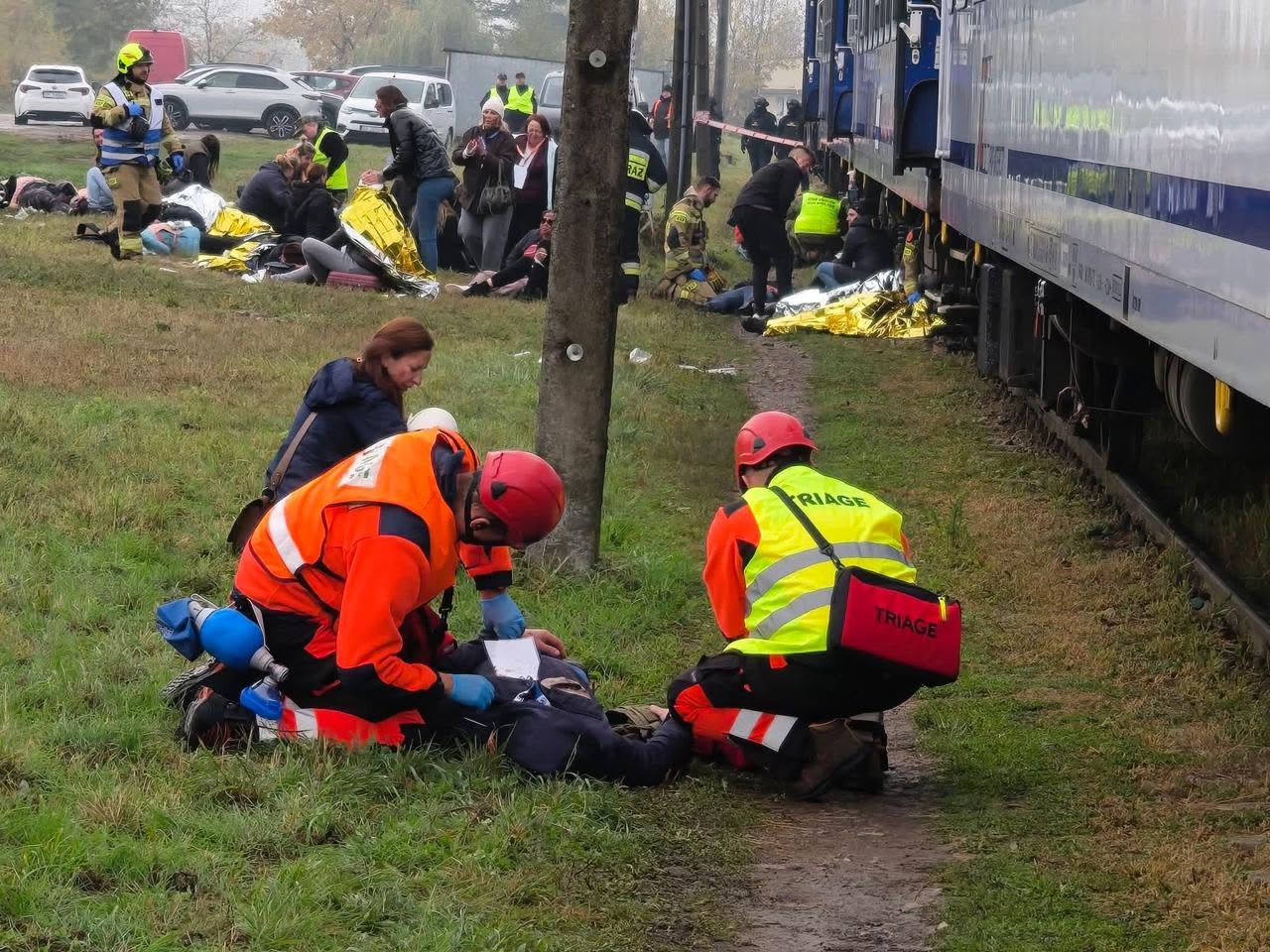
Rescuers practiced the procedures for notifying services, medical triage of the injured, providing first aid and advanced care, and preparing patients for transport to medical facilities.
Medical triage, also called triage, makes it possible to determine which injured people require immediate intervention and which can safely wait for help.
In a situation where the number of injured is large and available rescue resources are limited, proper organization of operations is of particular importance.
The exercises made it possible to test not only the skills of individual teams, but also the coordination of activities between paramedics, firefighters, police officers, soldiers, and Border Guard officers.
Safety at the Polish-Ukrainian border
The choice of Medyka as the location for the exercises was of particular importance due to the town’s location on the border with Ukraine.
Since the start of the full-scale Russian invasion, Polish-Ukrainian border crossings have played an important role in population movements, the transport of humanitarian aid, and maintaining connections between the two countries.
Preparing services to respond to emergency situations in the area of transport infrastructure is therefore an important element of security.
The exercises in Medyka showed how many institutions must cooperate in order to effectively organize a rescue operation in the event of an incident involving a large number of people.
Ukrainian rescuers thanked the Poles
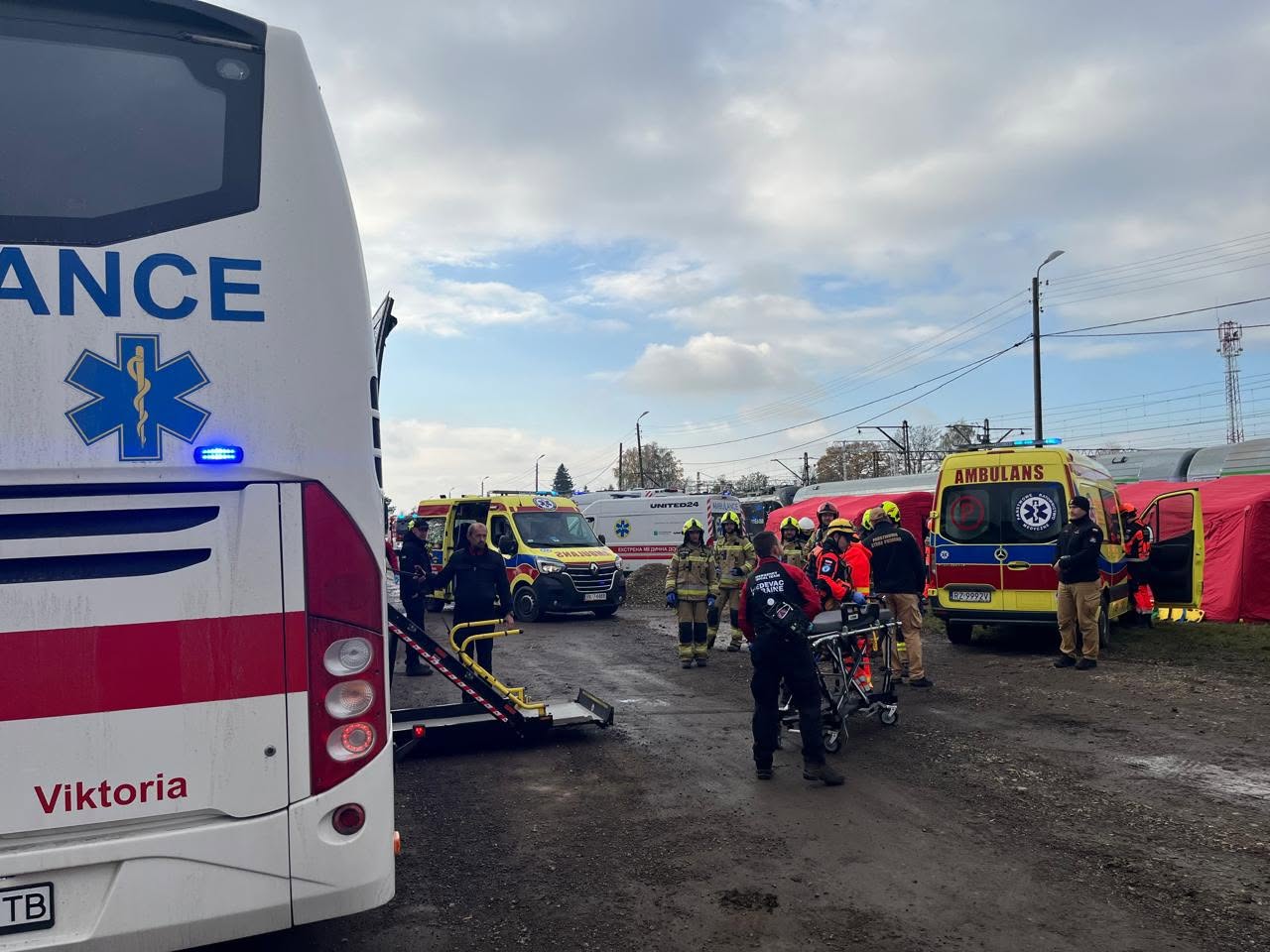
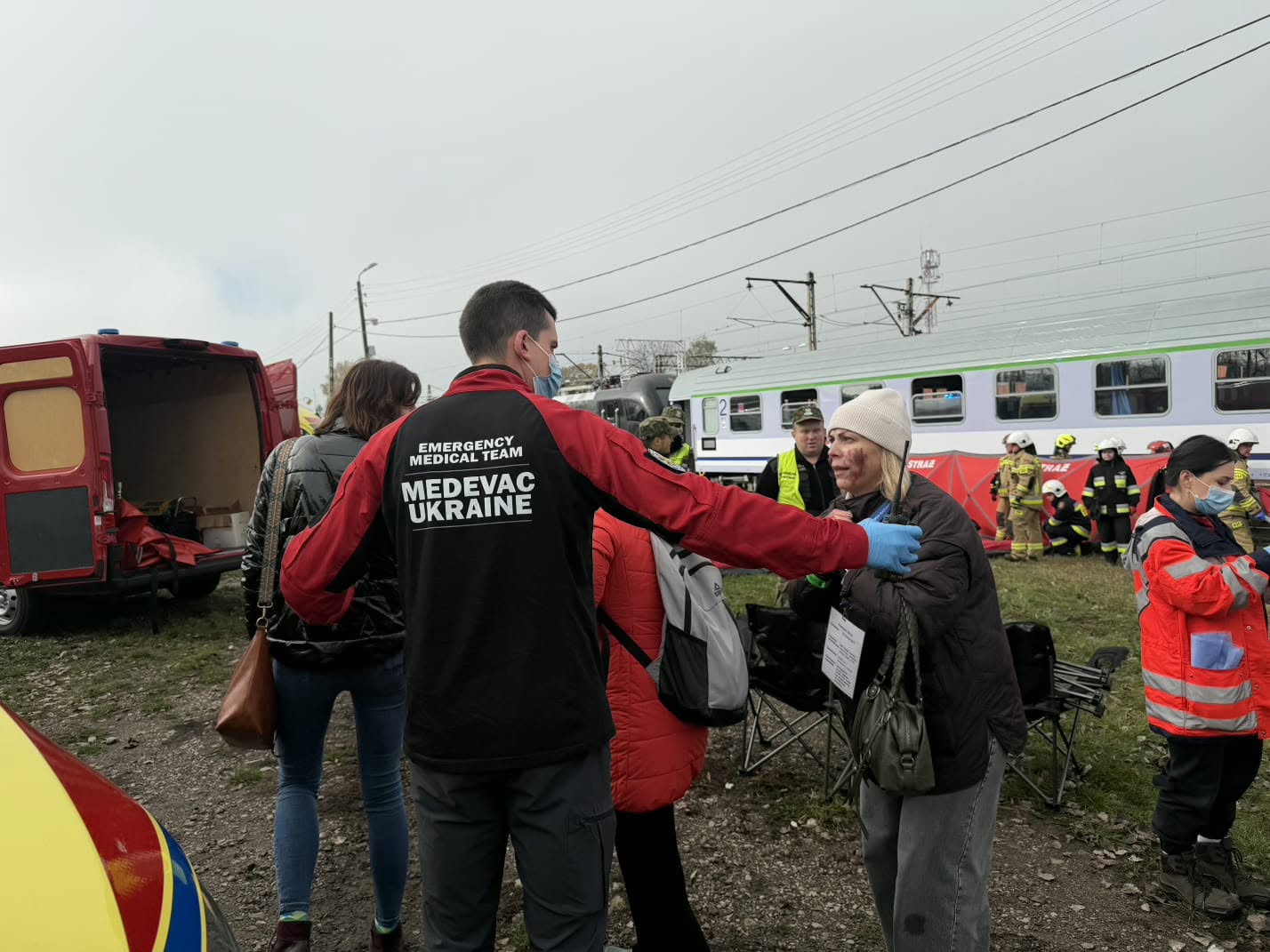
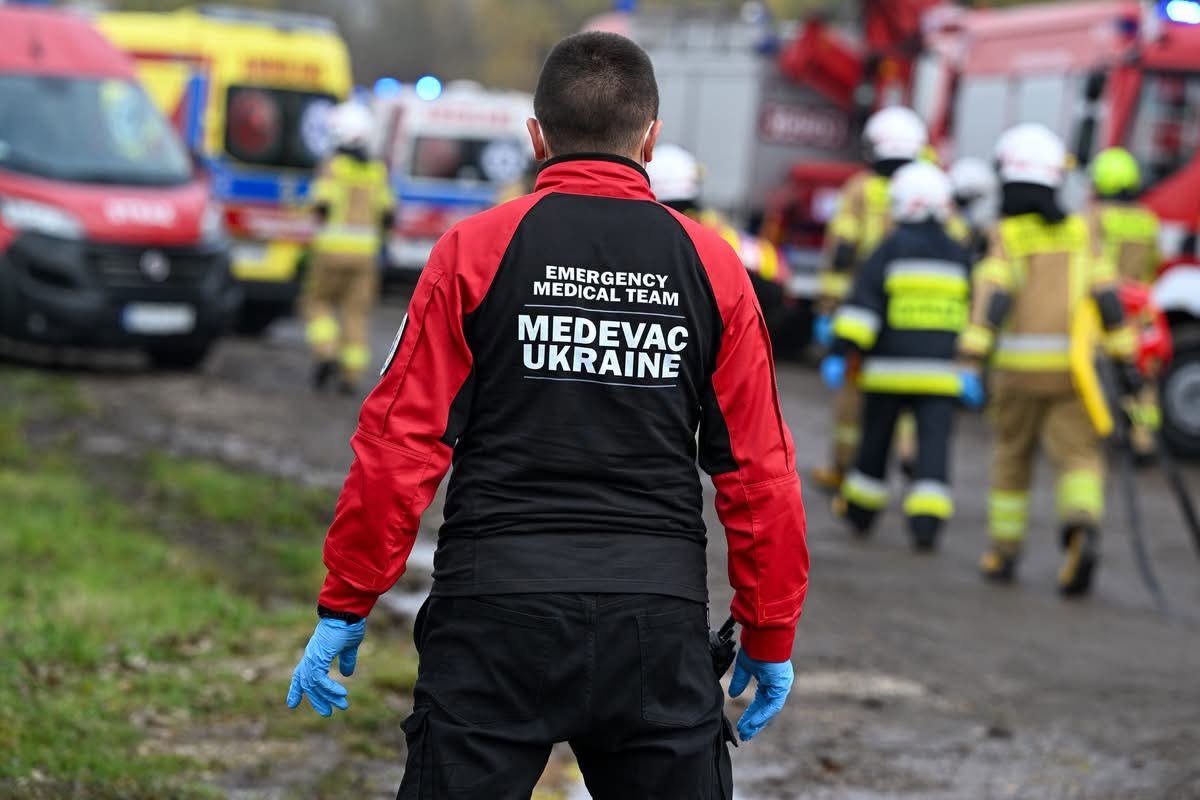
After the drills ended, representatives of the Ukrainian rescue community expressed gratitude to their Polish colleagues for the joint training, exchange of experience, and cooperation.
They also thanked the Poles for the support provided to Ukraine during the war and for the opportunity to jointly improve rescue skills.
In their statement, they emphasized the importance of lasting friendship between the nations and joint preparedness for crisis situations.
The “MEDYKA-2026” exercises were another example of practical cooperation between Polish and Ukrainian services.
Although the scenario assumed dramatic events and there were about 100 simulated casualties on site, there was no real attack or rail disaster.
The aim of the drills was to prepare rescuers for situations in which speed of response, proper coordination, and the ability to work together can determine human life.
Source: report by participants of the “MEDYKA-2026” exercises, 27–28 October 2026.

Journalist and Editor-in-Chief of Nowiny Wschodnie, a news platform followed by more than 140,000 people on social media. A graduate in Journalism and Social Communication, he has been co-creating and developing Nowiny Wschodnie since 2017. He gained professional experience working with local and international media.
He specializes in fact-checking, countering disinformation and propaganda, and information security. His work focuses on Poland, Ukraine, Eastern Europe, and Polish-Ukrainian relations. He is also the founder of a non-profit organization working in the fields of integration and intercultural dialogue.
What do you think about this story?
Join the conversation. Please keep comments relevant to the article.
Write a comment