
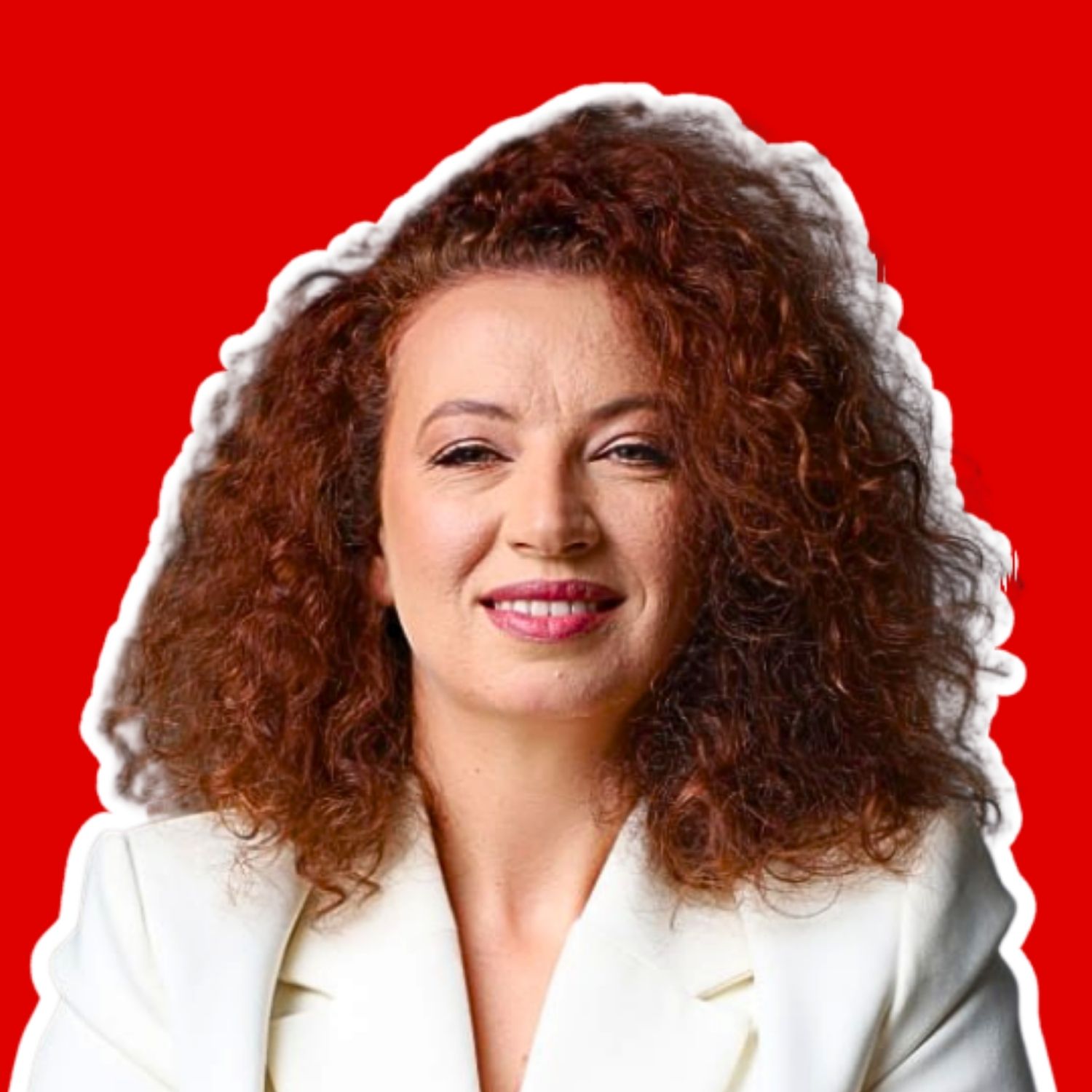
On 17 October in Wrocław we will learn the winner of the Angelus, the Central European Literature Award. The final seven includes two books by authors from Ukraine. This is a good moment to ask which Ukrainian writers Poles know best and where this popularity comes from. Among the seven finalist books, two were written by a woman writer and a male writer from Ukraine: Julia Ilukha and Serhiy Zhadan. During the gala, Yuriy Andrukhovych—the first Angelus laureate from 2006—will perform with the band Karbido.


First, the criterion—because every ranking is worth as much as its method. Comparable, open data on the sales of translations in Poland is lacking, so we are not counting copies. The point of reference is two measurable things: the Angelus jury’s verdicts and readers’ votes in the accompanying poll. This method aligns with researchers’ opinions. As Nowy Napis noted, two names enjoy particular popularity on the Polish market: Serhiy Zhadan and Oksana Zabuzhko. Both are included in our list.
A few words about the award itself. Angelus is awarded annually for the best prose book published in Polish in the previous year. It can be won by both Polish authors and writers from other countries in the region whose books have been published in Polish translation. Prose by living writers from 23 countries can be submitted, and the winner receives PLN 150,000. On the list of laureates from the twenty editions held so far, four statuettes have gone to authors from Ukraine. This makes Ukraine the most frequently awarded country in the history of Angelus.
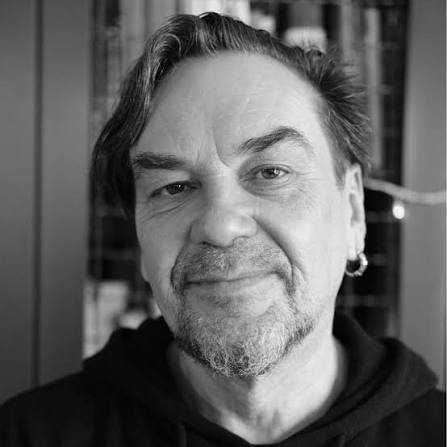
1. Yuri Andrukhovych. Born in 1960 in Stanislaviv, today’s Ivano-Frankivsk, where he still lives. A poet, prose writer, singer, essayist, and translator. In 1985, together with Viktor Neborak and Oleksandr Irvanets, he founded the poetry group Bu-Ba-Bu, short for Burlesque–Balagan–Buffoonery. The name captures his style well: carnival, grotesque, and irony, behind which lie very serious questions. Andrukhovych writes about what it means to live “in between” East and West, history and the present, about the memory and identity of Central Europe. His “Moscoviada” was recognized already after its first edition as one of the most incisive portrayals of imperial Russia and the Eastern Bloc in its phase of disintegration. All of his novels have been published in Polish, mainly by Wydawnictwo Czarne: “Recreations,” “Moscoviada,” “Perversion,” “Twelve Rings,” and “The Secret”. Volumes of essays have also been published, including “Erz-herz-perc” and “The Last Territory: Essays on Ukraine.” His ties with Poland run both ways. He translated into Ukrainian the poetry of Czesław Miłosz, Tadeusz Konwicki’s “A Dreambook for Our Time,” and Bruno Schulz’s “The Cinnamon Shops.” In 2005, he began an ongoing collaboration with the Wrocław-based band Karbido, which resulted in five albums. He also recorded the album “Andruchoid” with music by Mikołaj Trzaska, Wojtek Mazolewski, and Macio Moretti.
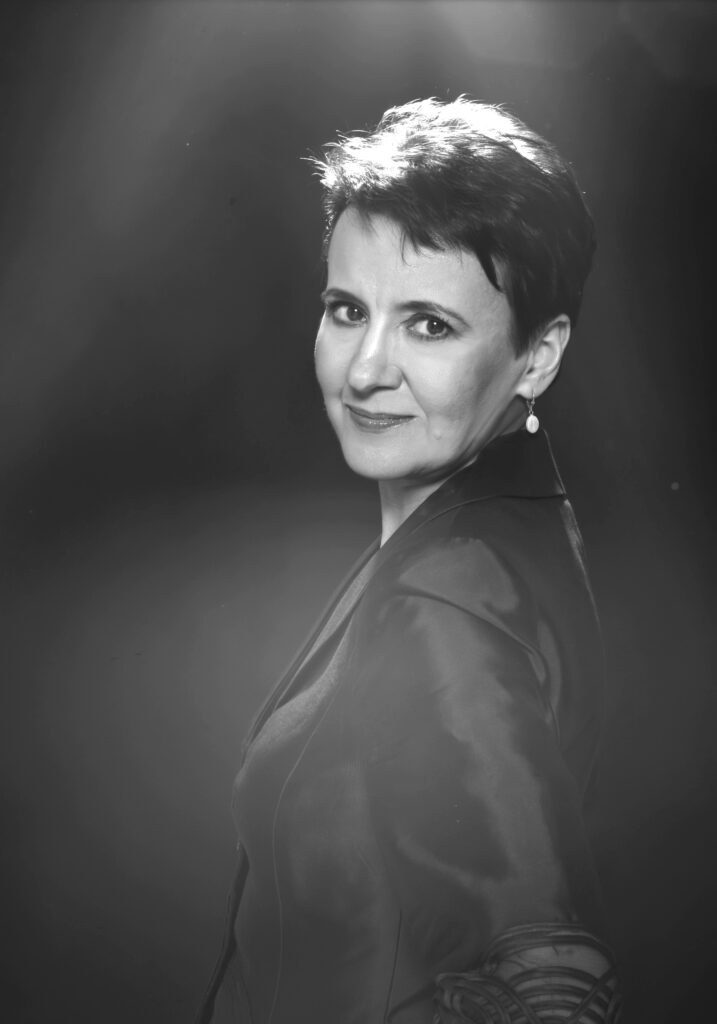
2. Oksana Zabuzhko. Born in 1960, she comes from Lutsk and lives in Kyiv. She is the author of more than twenty books: poetry, prose, essays, and philosophy. She has taught, among others, at universities in the USA. In her texts, she explores Ukrainian culture and reveals its European context. Her recurring themes are memory, women’s place in history, and Russia’s imperial ambitions. Her debut novel “Fieldwork in Ukrainian Sex” (1996) is referred to as the first Ukrainian feminist manifesto. The Angelus-winning “The Museum of Abandoned Secrets” is a monumental saga—at once a historical and a crime novel. We follow in it the fates of three women across 60 years of Ukrainian history. The Swiss daily “Tages-Anzeiger” recognized it in 2020 as one of the twenty most important novels of the 21st century. In Polish, there have also been published the short story collection “Sister, Sister,” the essays “The Planet Wormwood,” and “The Longest Journey” translated by Katarzyna Kotyńska. She has also been linked with Poland by the interview-book “Ukrainian Palimpsest”, a conversation with Izabella Chruślińska from 2013. In it, Zabuzhko talks, among other things, about her personal reception of Polish culture. The date is also symbolic: on 23 February 2022 she came to Warsaw for a short visit, and on the day of the invasion she became a “writer on the road”.
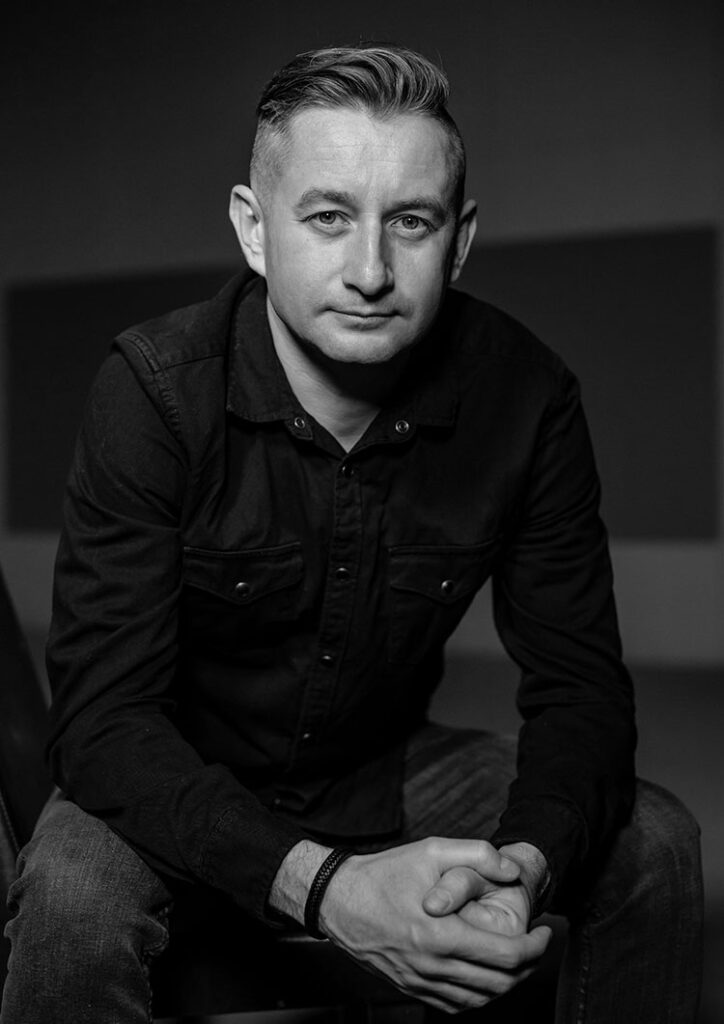
3. Serhiy Zhadan. Born in 1974, in Starobilsk in Luhansk Oblast, he has been associated with Kharkiv for years. He studied Ukrainian and German philology, and devoted his PhD to Ukrainian Futurism. He is a poet, prose writer, and the vocalist of the ska-punk band Zhadan i Psy. His style is marked by “dirty” realism, black humor, and an unusual musicality of language. He writes about eastern Ukraine, Kharkiv and Donbas, about a generation growing up amid the chaos of the 1990s, and since 2014 above all about the war and the people who live alongside it. In 2015 he received the Angelus for “Mesopotamia”. In Polish, poetry collections have been published: “A History of the Culture of the Beginning of the Century,” “Drohobych,” “Ethiopia,” and “Antenna.” Novels have also been released, from “Big Mac” and “Depeche Mode” to “Voroshylovhrad,” “Mesopotamia,” and “The Orphanage,” as well as the chronicle of wartime Kharkiv “In the City, War,” the short story collection “Arabesques,” and the poetic diary “Skrypnykivka.” He is also linked to Poland through personal experience. He was a scholarship holder of the Minister of Culture and National Heritage’s “Gaude Polonia” program, and he himself translates, among other things, from Polish. The highest academic recognition came this spring: on May 22, 2026, the University of Wrocław awarded him an honorary doctorate. The ceremony took place in the Leopoldina Hall during the international conference “The Future Is Already Here. Poland – Ukraine – Europe”. Along with the title, the writer received a newly published monograph, “Serhiy Zhadan: Conquistador of the New Ukraine,” edited by Prof. Agnieszka Matusiak-Bakuła and Dr. habil. Mateusz Świetlicki. The university emphasized that his work has been discussed many times in bachelor’s, master’s, and doctoral theses by its students. In 2022, Polish literary scholars also put his name forward for the Nobel Prize in Literature. Since June 2024, Zhadan has been serving in the National Guard of Ukraine, in the Khartiia battalion.
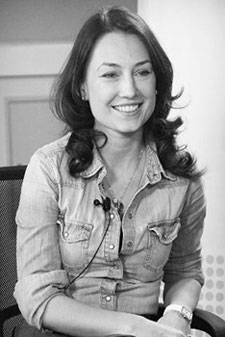
4. Kateryna Babkina. Born in 1985 in Ivano-Frankivsk, a journalism graduate of Kyiv University. She is the most versatile figure in the lineup: a prose writer, poet, screenwriter, columnist and translator, as well as the author of a theatre play and children’s books. Her specialty is combining intimate, family micro-histories with the grand, often brutal history of Central and Eastern Europe. Her poems touch on fundamental themes, but the apparent lightness and distinctive rhythm mislead the reader. In Polish, published by the Lublin-based publisher Warsztaty Kultury and in translations by Bohdan Zadura, there have appeared the short story collection “Happy Naked People” (2017), the novel “Sonia” (2018), and the Angelus Award-winning book “No One Danced Like My Grandfather.” A volume of poems “It Doesn’t Hurt” (2023) and a children’s book “The Little Hat and the Whale” (2024) have also been published. “It Doesn’t Hurt” is Babkina’s first poetry book published in Polish. It includes, among others, poems written after the author left bombarded Kyiv in February 2022. In 2023, she was one of the authors presented at the Warsaw International Book Fair, where Ukraine was the guest of honour.
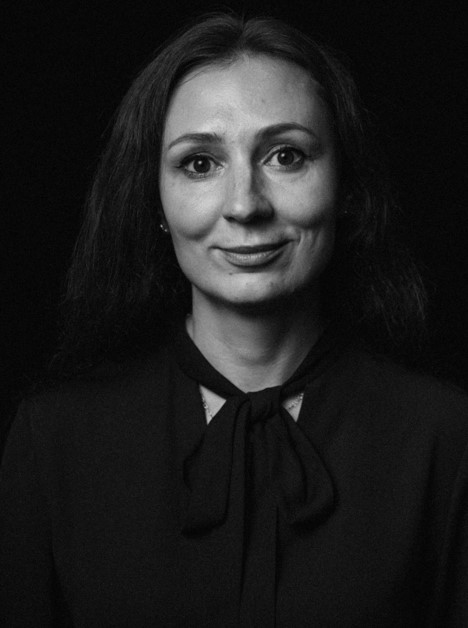
5. Julia Ilucha. A new name that Polish readers are only just getting to know. A Ukrainian poet, prose writer and journalist from the Kharkiv region, an active volunteer since the beginning of the war in 2014. She curates the project “Where Home Is”, which supports the rehabilitation of Ukrainian veterans through art. Her “My Women” is a collection of short stories about women whom the war has touched. The introduction emphasizes that its heroines are not crushed victims, but people full of anger and strength. In 2023 the collection won the International Chapbook Prize from the American magazine “128 LIT”, and in 2024 it received the title of Ukrainian BBC Book of the Year. The Polish edition was published by the Wrocław-based College of Eastern Europe, translated by Katarzyna Fiszer, a graduate of Polish and Ukrainian philology at Adam Mickiewicz University in Poznań. Just a year after its premiere, the book made it into the final seven for the Angelus Prize.
Why do Polish readers reach for Ukrainian books?
The answer begins with the people whose names usually do not appear on book covers: translators and publishers. Nowy Napis mentions Bohdan Zadura, in whose translations at least eight books were published in 2022 alone, as well as Aneta Kamińska and Michał Petryk, translator of Zhadan. For years, there have also been publishing houses that have consistently been building this shelf. Kultura Liberalna lists among them the Pogranicze Foundation, the College of Eastern Europe, Czarne, Warstwy, and Warsztaty Kultury with the Wschodni Express series. The Polish state also plays its part. Under the “Gaude Polonia” program, since 2003 more than 1,010 scholarships have been awarded, nearly three quarters of which went to artists from Ukraine. The fact that Ukrainians are winning a Polish prize is therefore to a large extent a success of the Polish literary community.
The literary heart of Central Europe beats in the East this year — Andrej Khadanovich, chair of the jury of the Angelus Prize 2026
Another factor is time. The National Library report noted that in 2022 the number of fiction publications translated from Ukrainian or concerning Ukraine increased. Kultura Liberalna links this growth to greater reader interest and support programs such as Translate Ukraine. The war, however, did not create this literature in Poland; it only strengthened it. The groundwork was laid by more than thirty years of work, whose first visible fruit was the Angelus for Andrukhovych, awarded sixteen years before the full-scale invasion.
What is most interesting, however, is that the movement is already happening in both directions. Ukrainian poet Ivan Davydenko received the Silesius in the Debut of the Year category for poems written in Polish, and Yurii Zawadskyi was nominated for this year’s Nike for his second volume written in Polish. Ukrainian authors are ceasing to be in Poland merely guests through translation and are becoming part of Polish literature.
We will find out who wins on 17 October in Wrocław. Regardless of the verdict, one thing has already happened: Poles read their neighbors not out of obligation, but by choice.
The best bridges are built by translators. Word by word.
Source: Nowiny Wschodnie / Angelus Award / Wrocław Literature House / Nowy Napis / Kultura Liberalna / National Library / Ministry of Culture and National Heritage / University of Wrocław / Book Market / Booklips / Czarne Publishing House / Znak / Lubimyczytać / Culture Workshops / Wikipedia / Magical Kraków / Nasz Wybir / Good Books / Empik / Allegro / Warsaw Book Fair / College of Eastern Europe
