
Suspected of illegal excavations in occupied Crimea
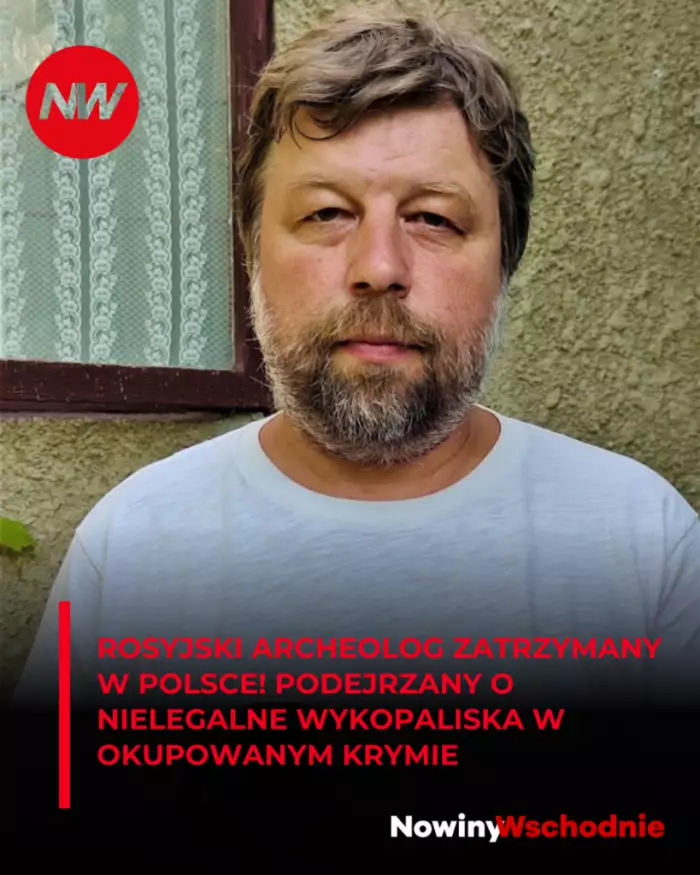
Polish authorities detained renowned Russian archaeologist Alexander Butiagin, a longtime collaborator with the Hermitage Museum, at Ukraine’s request. He was traveling through Poland on his way back from a lecture tour in the Netherlands. At the border crossing, his data was automatically retrieved and cross-referenced with the Ukrainian extradition request.


Source: Onet
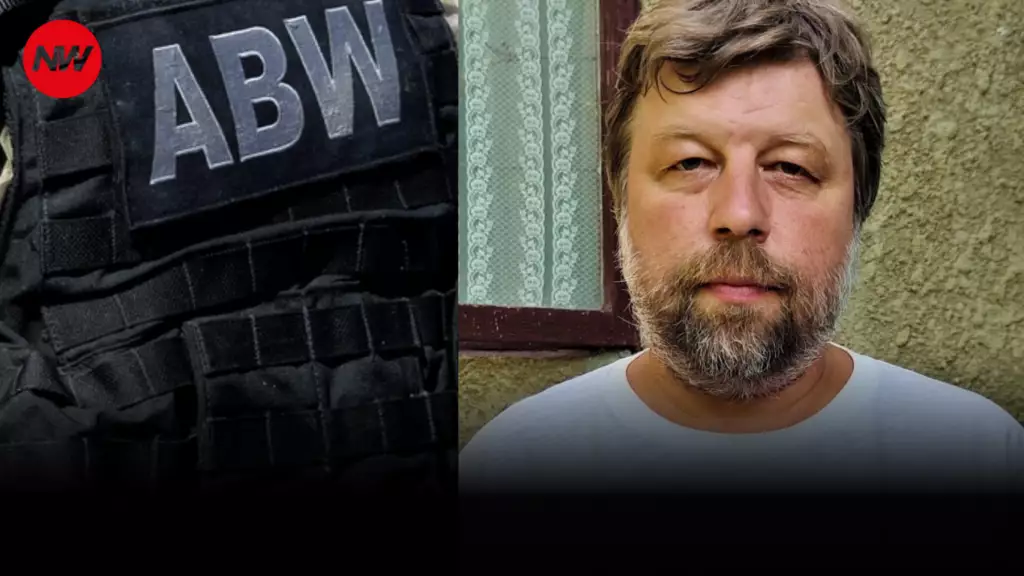
Following the hearing, the District Prosecutor’s Office in Warsaw decided to remand him in custody for 40 days. This period will allow for the assessment of documents provided by the Ukrainian side.
The case is one of the first instances in which an EU country has decided to detain a Russian scientist accused of illegal activities in occupied Crimea.
Who is Alexander Butiagin?
Aleksandr Butiagin is one of the most recognizable Russian archaeologists associated with the Myrmekion site in Kerch, an ancient Greek city in Crimea. After the Russian annexation of the peninsula in 2014, Butiagin reportedly continued the excavations, acting as a representative of the Hermitage Museum.
According to Ukrainian investigators, the archaeologist conducted excavations without the consent of Ukrainian authorities, removed artifacts from occupied Crimea, violated the Hague Convention for the Protection of Cultural Property, and participated in activities aimed at legitimizing Russian rule over the peninsula’s heritage.
According to Ukrainian experts, Butiagin’s actions may be classified as theft of cultural property, which is a crime under both Ukrainian and international law.
Why is this case of international importance?
Ukraine has been raising the alarm for years that Russia has been systematically destroying archaeological sites in Crimea since 2014, taking unique monuments to Russian museums, conducting excavations without the participation of Ukrainian institutions, and manipulating the historical narrative to justify the occupation.
Butiagin’s detention in Poland is the first clear signal that Western European countries are beginning to take these warnings seriously and respond to legal violations concerning Ukrainian heritage.
The Kremlin’s reaction. Peskov: “Poland is not the best place for Russians”
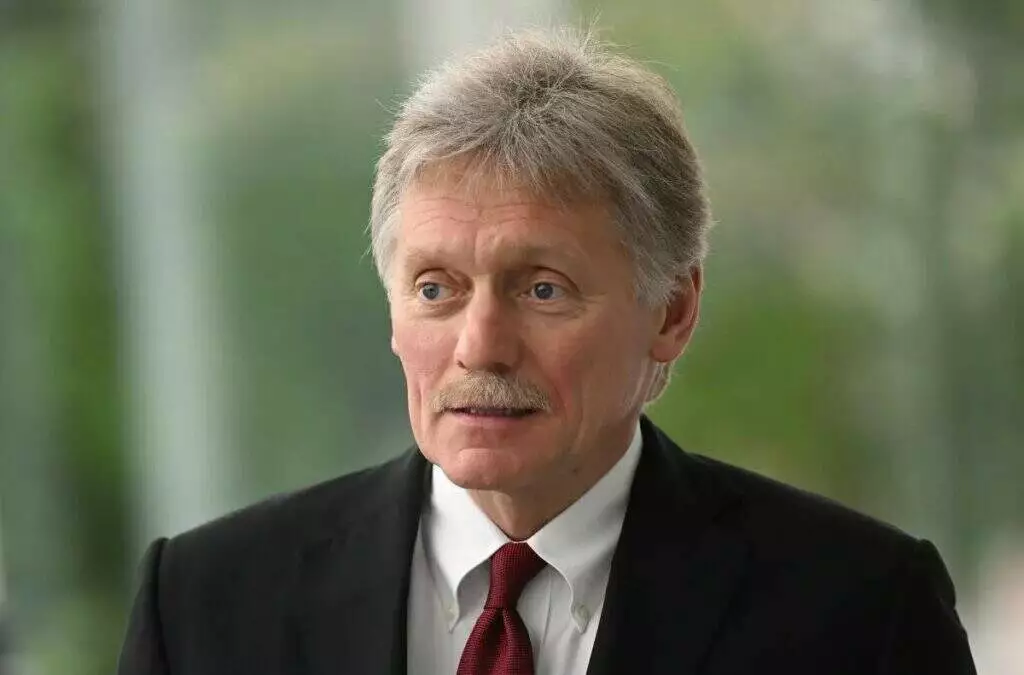
Following the news of the Russian archaeologist’s detention, Kremlin spokesman Dmitry Peskov spoke out. In a comment to Russian media, he stated:
“Poland is not the most suitable place for Russian citizens to travel.”
This is a rare instance where the Kremlin spokesman’s words have been met with irony in Europe. Many commentators emphasize that while caution when traveling may be understandable, for those who break international law, the consequences are natural and justified.
Peskov also stressed that Russia will “fight for its citizen,” but the lack of diplomatic status and the nature of the allegations mean that the Kremlin’s influence on the matter is limited.
What will happen to Butiagin?
Butiagin will be held in Polish custody for the next 40 days. During this time, a Polish court will examine whether the Ukrainian extradition request meets formal requirements, whether the charges filed concern acts punishable in Poland, whether international standards regarding the theft of cultural property can be applied to the archaeologist, and whether there are any grounds for ruling out extradition.
If Poland agrees to hand over Butiagin, it will be the first high-profile trial concerning illegal excavations in the occupied territories of Crimea.
The case is a precedent
The detention of the Russian archaeologist sets a precedent that could have serious consequences for Russian researchers working in occupied territories. It also demonstrates that Ukraine actively monitors the activities of those interfering with its cultural heritage, that EU countries are responding to violations, and that Russian cultural institutions are not immune from legal liability.
Journalist and Editor-in-Chief of Nowiny Wschodnie, a news platform followed by more than 140,000 people on social media. A graduate in Journalism and Social Communication, he has been co-creating and developing Nowiny Wschodnie since 2017. He gained professional experience working with local and international media.
He specializes in fact-checking, countering disinformation and propaganda, and information security. His work focuses on Poland, Ukraine, Eastern Europe, and Polish-Ukrainian relations. He is also the founder of a non-profit organization working in the fields of integration and intercultural dialogue.
What do you think about this story?
Join the conversation. Please keep comments relevant to the article.
Write a comment