



Józef didn’t manage to open the door. A rifle butt smashed the locks and NKVD officers burst into the entryway. The room filled with the children’s screams. Halina shielded her sons — the tormentor knocked her down with a blow from the rifle butt. As she fell, she struck her head on the edge of the table. When Józef rushed to help her, a blow with a revolver knocked him to the ground. He was kicked in the ribs and dragged out of the house.
During the interrogation he was kept on his feet for five days, beaten constantly, and doused with ice-cold water. When he refused to sign the statement, the interrogator crushed his fingers with a hammer. His teeth were knocked out with brass knuckles, and on the fifth night they said: “Tomorrow we will torture your sons to death.” With his crushed hand he put his signature under the statement. Józef did not see a court — he was sentenced to be shot in absentia. A few hours later he was dragged into a basement lined with sawdust. His hands were bound with wire, and a rag was stuffed into his mouth. An executioner in a rubber apron pressed a revolver to the back of his head and pulled the trigger. The body was thrown into a mass grave in the forests of Bykivnia and covered with quicklime. The family was told that he had been deported to a labor camp for 10 years.
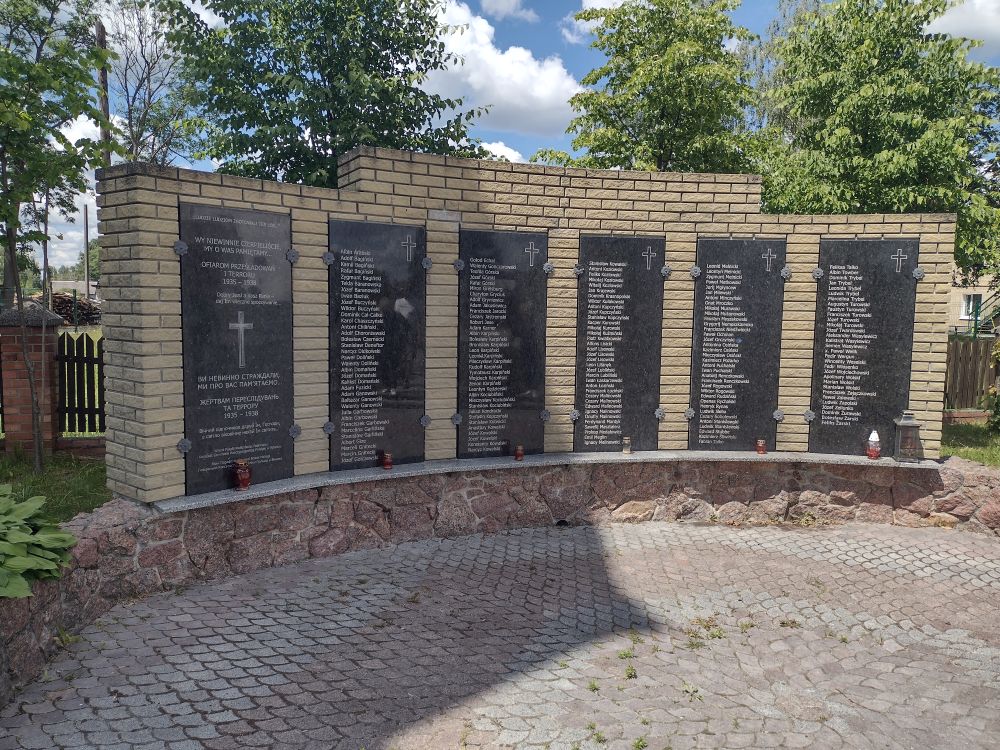
Monument dedicated to Poles murdered by the NKVD in the years 1935–38. Dowbysz, during the Russian occupation: Marchlewsk (today Dowbysz, alternatively Dołbysz). Photo by Grzegorz Majewski
Józef’s story is fictional, but it is based on memories and witness testimonies. This is how the standard fate of the victims of the NKVD’s Anti-Polish Operation unfolded. The approaching anniversary of 11 August recalls the issuance in 1937 of NKVD Order No. 00485, which sealed the fate of more than one hundred and forty thousand Poles. At the same time, along with the order, the Russian propaganda machine started up, portraying Poles as hostile agents.
Archipelago of hatred: From dekulakization to deportation
Before the mass executions in NKVD basements began, the Russian terror apparatus tested its methods on the Polish countryside. Under the slogan of “liquidating kulaks as a class,” Polish identity was being destroyed. Polish peasants in Ukraine and Belarus, because of their attachment to the land and to Catholic tradition, became enemy number one for the criminal regime.
Everything was taken: land, livestock, seed grain, and even the last food supplies. Those who resisted were deemed an “anti-Soviet element.” Entire villages were surrounded by military cordons, and families were packed into cattle cars and transported to Siberia or the barren steppes of Kazakhstan. Women, children, and the elderly died of hunger and exhaustion along the way. Deportees were abandoned on the open steppe at temperatures reaching -40°C, where the only shelter were dugouts excavated with their own hands.
A staged nightmare: The Great Famine and Polish victims
The cruelty of the Stalinist system reached its peak during the artificially induced Great Famine (Holodomor) in Ukraine in 1932–1933. Among the millions of dying victims, Poles also became a direct target of this staged annihilation. It is estimated that as a result of food terror, at least 40,000 Poles died in agony of starvation, although the total number of Polish victims may have been much higher; these victims were not recorded by nationality. For the Russians, only the unit counted, not the person. Today we know only the minimum number of victims.
It was not a natural disaster — it was a planned mass murder. The revised policy of ruthless confiscations struck directly at Polish enclaves such as Marchlewszczyzna (near Zhytomyr). Armed execution brigades entered Polish homes, tore up floors, dismantled stoves, and searched farmyards with iron rods in search of a hidden handful of grain or potatoes. Areas of resistant Polish villages were surrounded by the army, cutting off all deliveries of goods and punishing with death any attempt to flee to the cities.
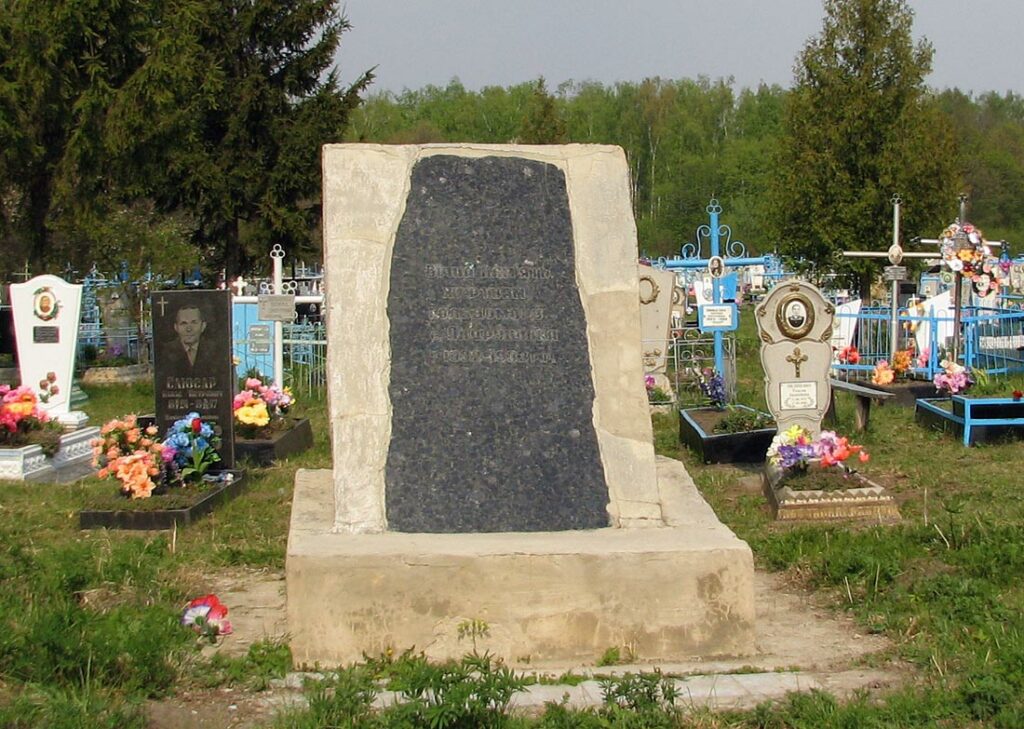
Monument to the victims of the Great Famine – Andrushivka, Ukraine. Source Wikimedia Commons
The process of starving to death lasted for weeks, turning thriving settlements into macabre graveyards. The human body deprived of food devoured itself step by step. In the first weeks people ate leaves, tree bark, nettles, dogs, cats, and rats. Over time, famine edema appeared — the bodies of the severely malnourished, especially children, swelled to monstrous sizes, and the skin cracked, festering from dying tissue. Hunger led to madness. There were acts of insanity and indescribable family tragedies, as mothers watched their own children slowly die over many weeks, children who begged for bread until they lost their voices from exhaustion. On roads and in huts lay hundreds of swollen corpses that no one had the strength to bury. Later they were hauled away on carts and thrown into mass graves.
The Poles were only part of a larger mechanism of “society replacement”; at the same time, several million Ukrainians died of starvation. Their only “crime,” like that of the Poles, was their attachment to the land, faith in God, and unwillingness to accept Russification. The worst situation prevailed in the most fertile eastern lands of Donbas and the Luhansk region. There, in exchange for millions of murdered Ukrainians, Russians were brought in.
The Polish Operation: A Mechanism of Genocide
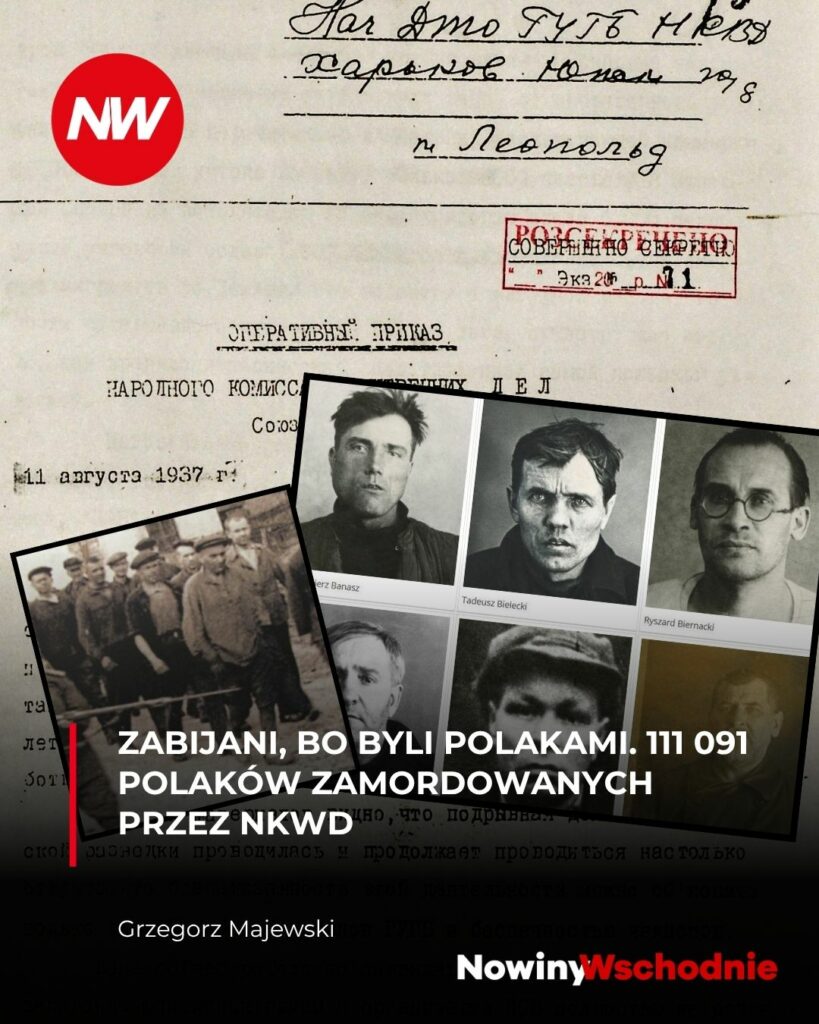
All these actions turned out to be merely a prelude to the events of 1937–1938. Order No. 00485, issued on 11 August 1937 by Nikolai Yezhov, transformed state terror into a silent yet absolute genocide on ethnic grounds. Sentences were handed down for merely bearing a Polish surname, attending Holy Mass, having relatives on the other side of the border, or using the Polish language. The Russian security police fabricated the mythical “Polish Military Organization,” attributing membership in it to hundreds of thousands of innocent civilians.
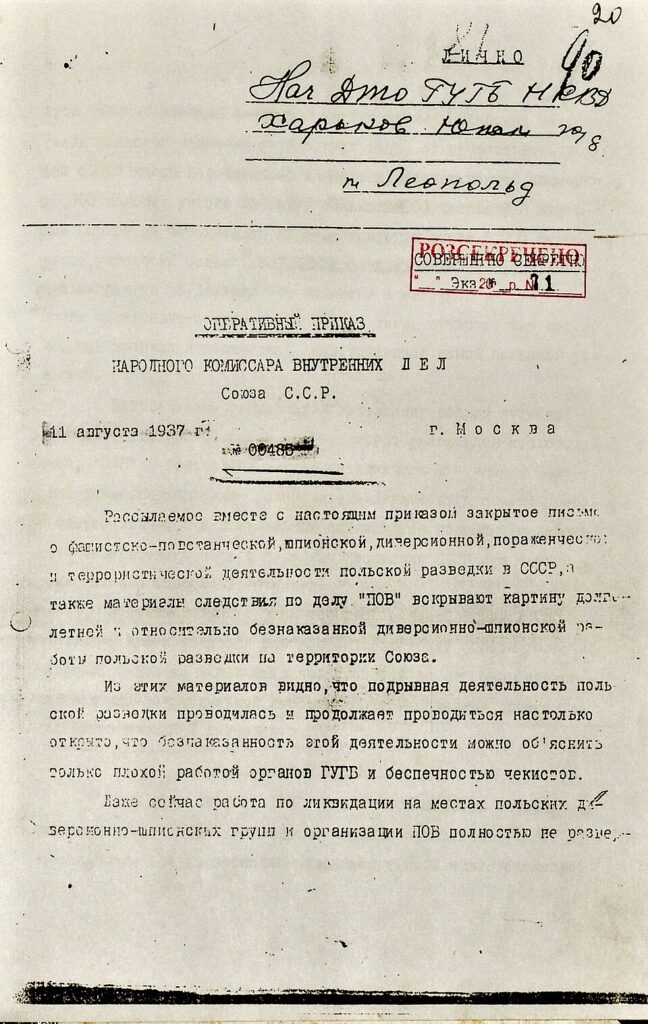
The first page of the order of the so-called NKVD Anti-Polish Action – Source Wikimedia Commons
We do not have complete data—only what survives in preserved archives that have been made available to researchers. They show that at least 140,000 Poles were sentenced as part of the operation. At least 111,091 were murdered—often without any trial, on the basis of forced confessions, when a person feared for their family or, in pain, longed only for death. Tens of thousands of women and children were sent to camps and orphanages under the accompanying Order No. 00486. Children of enemies of the people were murdered if they were over 12 years old, as provided by a separate law. If younger, they were sent to orphanages and subjected there to Russification. Poles in the USSR were dying several times more often than representatives of other nationalities targeted by the purges.
Russian humanitarianism
The genocide committed against Poles in the Soviet Union over decades of Russia’s occupation of Poland was, for decades, a censored blank spot. Speaking about it—as well as about other repressions—was forbidden. Burial sites—such as those in Bykivnia (Ukraine) and Kurapaty (Belarus)—were for years covered over, leveled, and planted with trees to erase the traces of the murders. Every year on 11 August, the hellish mechanism of ethnic hatred that consumed hundreds of thousands of lives is remembered. It is an anniversary that obliges us to speak loudly about crimes whose perpetrators managed to escape unpunished.
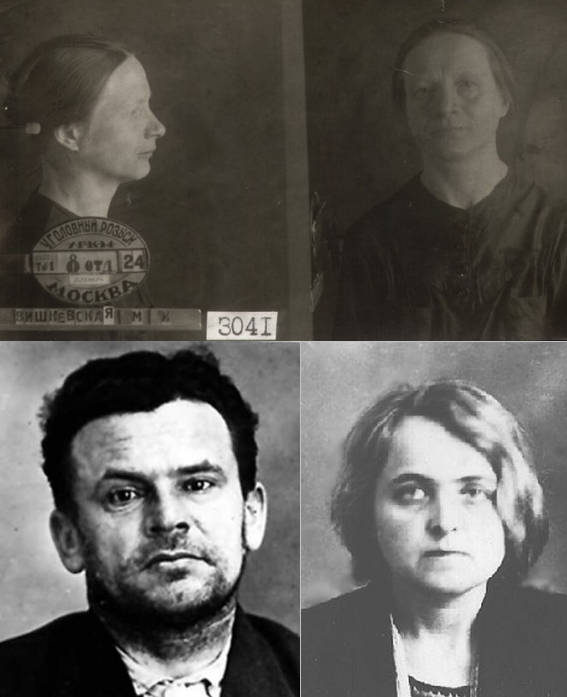
Poles—victims of Russian genocide. They died in 1937. Source: Wikimedia Commons
Today, this crime is being pushed into the shadows through the instrumental use of the topic of the Volhynia Massacre. No crime should be diminished, but one must also not be obscured by another. It is enough to look at the accounts of people who appoint themselves the only patriots. They belong to far-right parties. On almost none of them will you find information about the Russian genocide of the 1930s. But their accounts will be full of information about Volhynia. They will tell true and fabricated stories of Ukrainian atrocities, as if months-long, slow dying of hunger were Russian humanitarianism. In fact, you can agree with them. This is “Russian humanitarianism”.


.jpg)
What do you think about this story?
Join the conversation. Please keep comments relevant to the article.
Write a comment