

Minister of Justice and Prosecutor General Waldemar Zurek announced the establishment of specialized teams of prosecutors to prosecute hate speech, crimes based on nationality and religion, and the promotion of totalitarianism. As established by the portal OKO.press, the relevant regulation is at the consultation stage and may enter into force in February 2026.


According to the project, 16 prosecutor’s offices will be designated across Poland, each with teams of several people to handle such cases. The Warsaw-Praga District Prosecutor’s Office will play a central role, responsible for conducting the most important proceedings, training prosecutors, and setting prosecution standards.
(function(w,q){w[q]=in[q]||[];In[q].push([“_mgc.load”])})(window,”_mgq”);The new system will focus on prosecuting offenses based on nationality, ethnicity, and religion, violence motivated by prejudice, and the promotion of totalitarian ideologies, among other things. Experienced prosecutors specializing in hate speech will participate in the investigation.
Source: OKO.press (ed.)
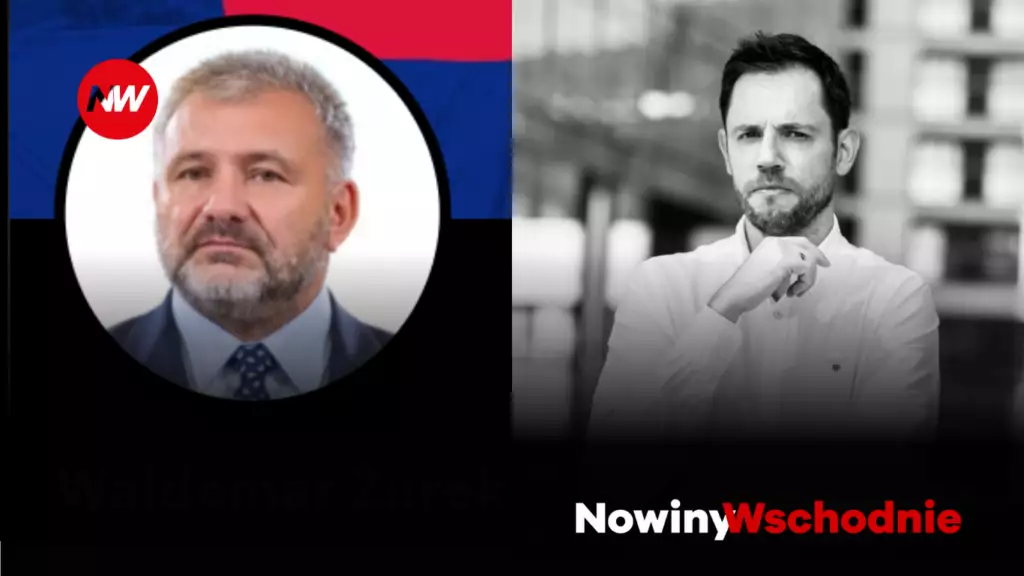
Lawyer’s comment:
For years, I’ve been saying that hate speech, especially against Ukrainians living in Poland, has been treated too leniently, and that such actions are a precursor to more serious crimes. People come to my office after months of hearing insults, threats, and incitement to violence solely because of their ethnicity, and their reports are downplayed or even thoughtlessly dismissed. In practice, this sent a clear message to perpetrators: they can act with impunity, and some have turned such actions into “online content,” gaining followers and voters.
Therefore, publicizing cases of xenophobic attacks was and remains crucial. Publicly speaking out about hate, highlighting specific instances of aggression, and consistently filing reports exerted real social pressure. It was this pressure that led to the acceleration of work on systemic solutions, which are currently being implemented.
Police officers and prosecutors are often inexperienced in prosecuting and detecting perpetrators of hate crimes. This is often due not to malicious intent on the part of officers but to ignorance. This stems from a lack of training in the complex procedures for obtaining data from entities based outside Poland, such as Facebook, Instagram, etc. Lack of information about the perpetrator of a crime committed online led to the dismissal of proceedings due to failure to identify the perpetrator. The introduction of specialized agencies will change this situation and expedite proceedings.
Regarding the prosecution of hate crimes committed in the real world, it should be noted that the authorities’ methodology here also very often failed. In my opinion, prosecutors and police officers often incorrectly classified hate crimes as ordinary prohibited acts. For example, an attack motivated by nationality (Article 119 of the Penal Code) was classified as a simple violation of personal inviolability (Article 217 of the Penal Code). This has significant implications for the potential penalty and prosecution procedure – in the case of an act under Article 119 of the Penal Code, prosecution occurs ex officio, while in the case of Article 217 of the Penal Code, a private indictment must be filed with the court.
It is worth remembering that hate speech is not a reality “freedom of speech” nor a “sharp opinion.” This is a real injustice that escalates and very often leads to violence. If the state fails to respond quickly and decisively, it creates a sense of consent. Therefore, specializing prosecutors and consistently prosecuting perpetrators is not a political issue, but a component of basic legal and social security.

What do you think about this story?
Join the conversation. Please keep comments relevant to the article.
Write a comment