
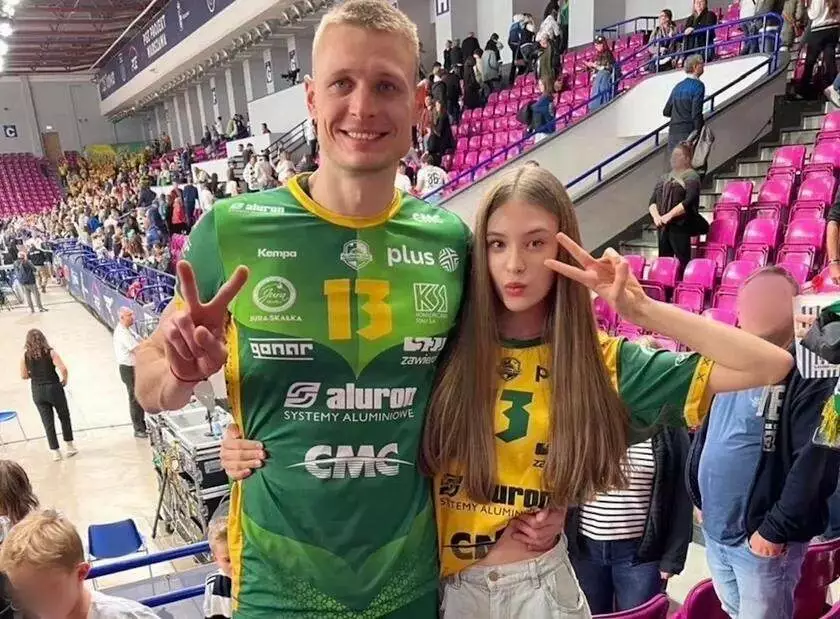
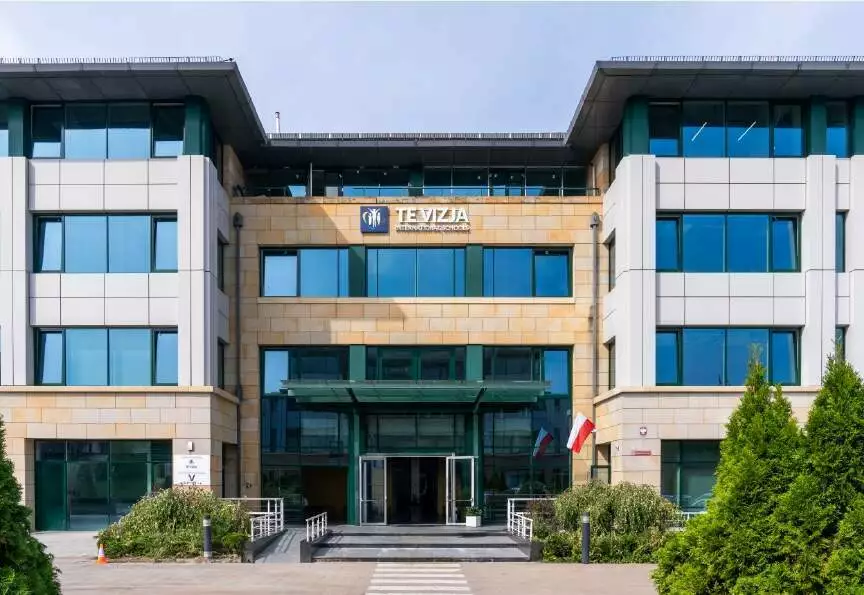
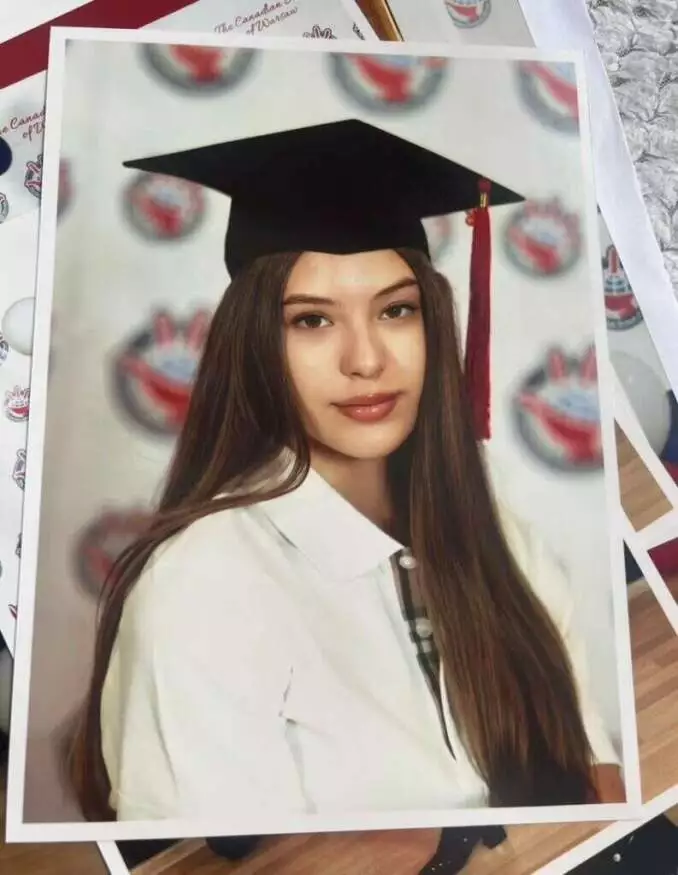
In one of Warsaw’s prestigious high schools – TE Vizja – there was a high-profile case involving the harassment of a 15-year-old student from Ukraine daughter of a famous Polish volleyball player. This is about Daria Gladyr, the daughter of former Ukrainian national volleyball player Yuri Gladyr.
🔴 Eastern News — follow us. The latest important news from Poland, Ukraine and Eastern Europe.© When using this material, you must credit the source: Eastern News and include an active link to the original publication.From the news: “15 people hate you. 15 people say you’re a stupid, ugly woman.”ą. Open your eyes, su*!”
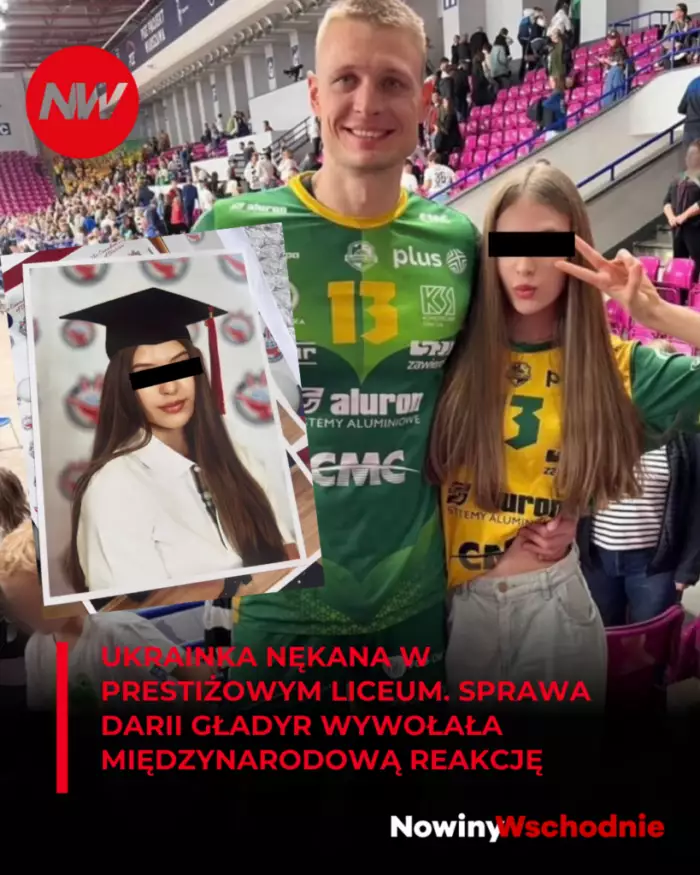


This is one of many shocking examples of messages received by a 15-year-old student at Warsaw’s prestigious international high school, TE Vizja.
Systematic insults and intimidation
According to Polish and Ukrainian media, the girl was systematically insulted and intimidated by her peers for a prolonged period. She received voicemails containing profanity, threats, and ethnically charged content. According to journalists, the students also set up a closed group on Messenger, which was used to further harass the teenager.
The reaction of the family and the services
Due to the girl’s deteriorating mental state, her family decided to remove her from school. After media coverage, the matter was investigated by the Warsaw police, who are investigating the alleged threats and possible violation of the minor’s personal rights.
In parallel, the case was reported to the Ukrainian Ministry of Foreign Affairs. Ukrainian diplomacy confirmed that it remains in contact with Polish institutions and is monitoring the proceedings.

Controversial decision by the school authorities
The decision of the TE Vizja high school authorities generated the most emotion and criticism. Instead of applying disciplinary measures to the perpetrators of the bullying and implementing student protection procedures, the school decided to remove Daria herself from the student register.
This decision was met with strong reactions from the public, social organizations, and children’s rights experts. Commentators emphasized that such action could lead to secondary victimization and send a dangerous message that the problem isn’t the violence itself, but the person experiencing it.
The reaction of the Ukrainian authorities
The Minister of Foreign Affairs of Ukraine, Andriy Sybiha, commented on the matter, describing the incident as an example of unacceptable xenophobia.
“It is a pity that we once again have to return to the cases of shameful treatment of Ukrainians in Poland,” wrote the head of Ukrainian diplomacy, emphasizing that real and visible consequences for the perpetrators are needed to ensure that such behavior is not tolerated.
The Ukrainian Ministry of Foreign Affairs announced that Ukrainian consulates in Poland have been instructed to immediately respond to all cases of harassment, discrimination and violence against Ukrainian citizens, especially children and young people.
What is currently known?
According to the latest available information:
– police investigation is ongoing,
– the case is also analyzed from the perspective of the school’s responsibility as an institution,
– the topic was taken up by the Children’s Rights Ombudsman and organizations dealing with counteracting peer violence,
– the school has not yet publicly presented a detailed position or a plan for corrective action.
The case of Daria Gładyr has become one of the most talked-about examples of the growing problem of hate speech and peer violence against migrant children in Poland – and a test for the institutions responsible for their protection.
Journalist and Editor-in-Chief of Nowiny Wschodnie, a news platform followed by more than 140,000 people on social media. A graduate in Journalism and Social Communication, he has been co-creating and developing Nowiny Wschodnie since 2017. He gained professional experience working with local and international media.
He specializes in fact-checking, countering disinformation and propaganda, and information security. His work focuses on Poland, Ukraine, Eastern Europe, and Polish-Ukrainian relations. He is also the founder of a non-profit organization working in the fields of integration and intercultural dialogue.