

Gratitude – having warm feelings for one’s benefactor, wanting to thank and reciprocate for the good received. (Definition PWN)


First of all, I apologize. The topic is so difficult that I try to use the keyboard sparingly. Although stronger words press onto the screen, I restrain myself with every ounce of strength. Facts, apparently, are the only things that count in foreign markets – to quote Herbert.
Where does the myth of Ukrainian ingratitude come from?
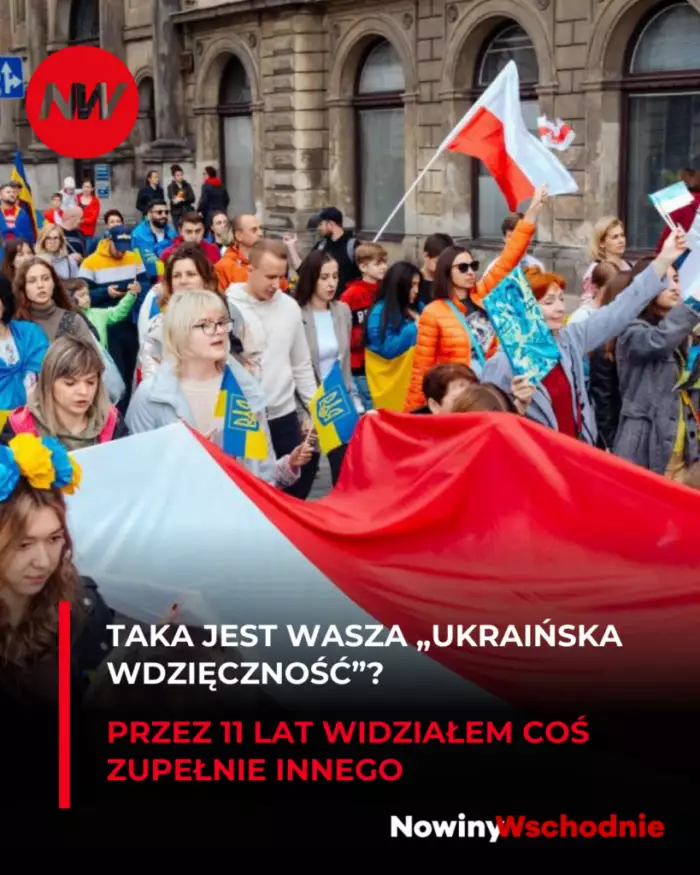
One of the ways to fight against Poland is to turn Poles against Ukraine. The Russian services are managing this task quite well, but they still have much work to do. Thanks to Russian propaganda spewers like the Braun and Mentzen parties, we face a threat to our very existence as a nation. Another Russian occupation will be devastating. This time, we will be reduced to a tiny open-air museum, a country of no more than a few million people. After over two hundred years of experience occupying Poland, the Russians will learn from their experience and reduce us to the same level as Crimean Tatars or Ukrainians. They don’t have to murder as before; they will simply resort to tried-and-true methods: deporting Poles to populate eastern Russia.
The arguments used by Russian agents are numerous.
Today I will deal with one of them – gratitude. I’ve been helping Ukraine, with varying degrees of intensity, since 2014. I can’t quite count the number of thanks I’ve received. I also receive small gifts – sometimes cognac, sometimes a beautiful card, sometimes chevrons, books (with a dedication from the author), or even the simplest things – like honey or sweets. I always sulk, not wanting to receive them. My gift-givers know I don’t want it, yet they still try to repay the help they’ve received. Sometimes I give it away, sometimes I auction it off and expand the scale of the good. There’s one gift I receive with great emotion: hand-painted cards from children.
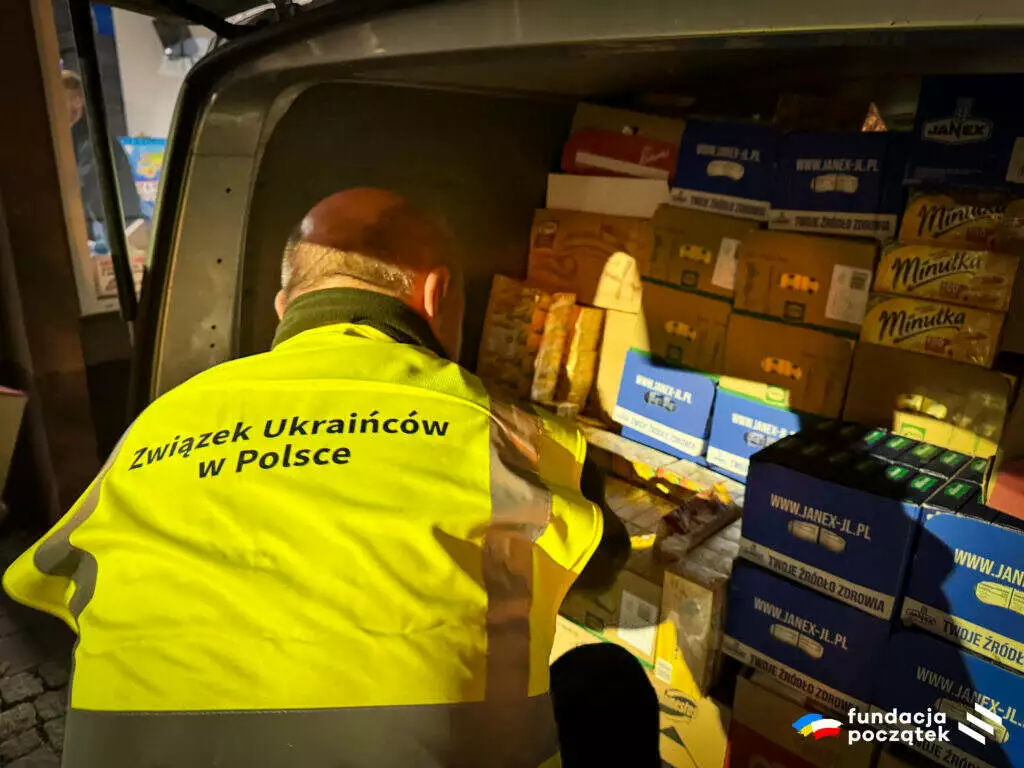
Ukrainian thanks.
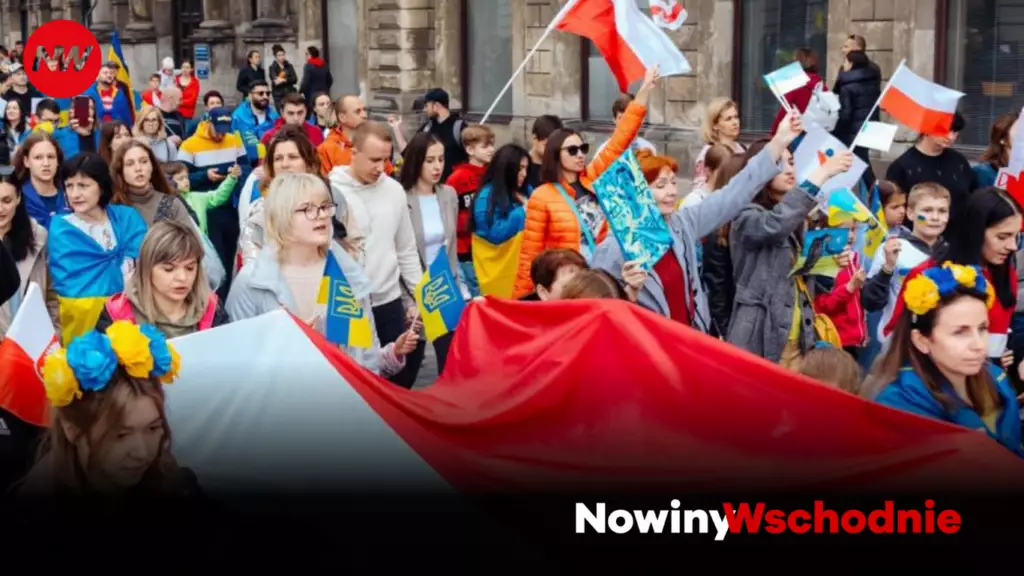
The memorable year of 2022 was a veritable explosion of aid for refugees from Ukraine. But did they only receive it? For several months, before they managed to find work, Ukrainians made numerous gestures of gratitude. It began with spontaneous demonstrations in city centers with huge signs reading “Thank you Poland,” “Thank you Poles,” and many, many more. Almost immediately, in early March, refugees began to gather and… clean up our cities. Yes. They collected trash, swept, and raked. And all without orders. Without a command. On their own. The fact that our cities suddenly became cleaner is thanks to these people. They were so grateful. Did Poles in Germany or another country, after receiving asylum during the communist era, go out in droves to clean public places? The question is rather rhetorical. To this day, at every Ukrainian demonstration, you will find words of gratitude to Poland and Poles being carried and held. Just come and see. Today, no one remembers or sees this anymore. But in many places in Ukraine, local people cleaned up Polish cemeteries. This was a humane way to express gratitude. A banner of thanks and Polish colors was displayed in the Kyiv metro. There is not enough space here to describe even one percent of the actions in which Ukrainians expressed their gratitude to Poles.
By giving someone a little good, you don’t diminish it in yourself. You don’t lose it.
Good. Why do good deeds? For myself or for someone else? When I help someone, I feel better. Myself. For myself. Someone else feels better too, because they were lacking something. Should I expect thanks? No, because I’m not doing it for them. If someone does otherwise, they’re entering into a commercial transaction, which means they’re just a merchant, not a doer of good. If I arrange for someone to dig my garden, they expect payment. That’s a transaction, not doing good. If I pay for products at the checkout in a store, a thank you is polite. But we know it’s a transaction. Therefore, I don’t expect anything.
Ukrainians are different – just like Poles.
I have many Ukrainian friends. They’re all different. I can barely contain myself from the gratitude of some, sometimes it’s truly exhausting. Others have passed through my life and moved on. We’re not even in touch. I don’t know what they’re doing now. Do I blame them? No, they have bigger problems than constant thanks. They have to take care of their children, earn money for food, for medical bills. They have to pay for their apartment, pay for school books, find money to help their parents in Ukraine. And I’m supposed to expect something from them? I’ve gotten used to it. And it doesn’t bother me. When I used to help mainly Poles, only the children showed gratitude. Adults, as if embarrassed by receiving help, avoided me afterward. Not all of them, but some did. Why should Ukrainians be any different?
First trips
Shortly after Russian troops stopped their relatively permanent front lines, many people began returning to Ukraine. People who missed their families and couldn’t live without their friends and loved ones. They also missed their jobs. Teachers, accountants, private entrepreneurs – people from many professions. But also retirees, those with children and their children in Ukraine. This phenomenon was a surprise, though not a huge one. I was more surprised by those who left quietly, and they did. To this day, I don’t know when or where they left. I met one woman by chance while waiting for a bus to Ukraine. She wasn’t even embarrassed; it seemed natural to her. She received help, and since she didn’t need it, she was leaving. Others, upon leaving, came and cried. They thanked me tearfully, promising never to forget the kindness they had received. And they kept their word. We’re still in touch. Even one of the teachers visited me a year ago when she came to Poland on vacation. It was incredibly kind.
Thanks from the front
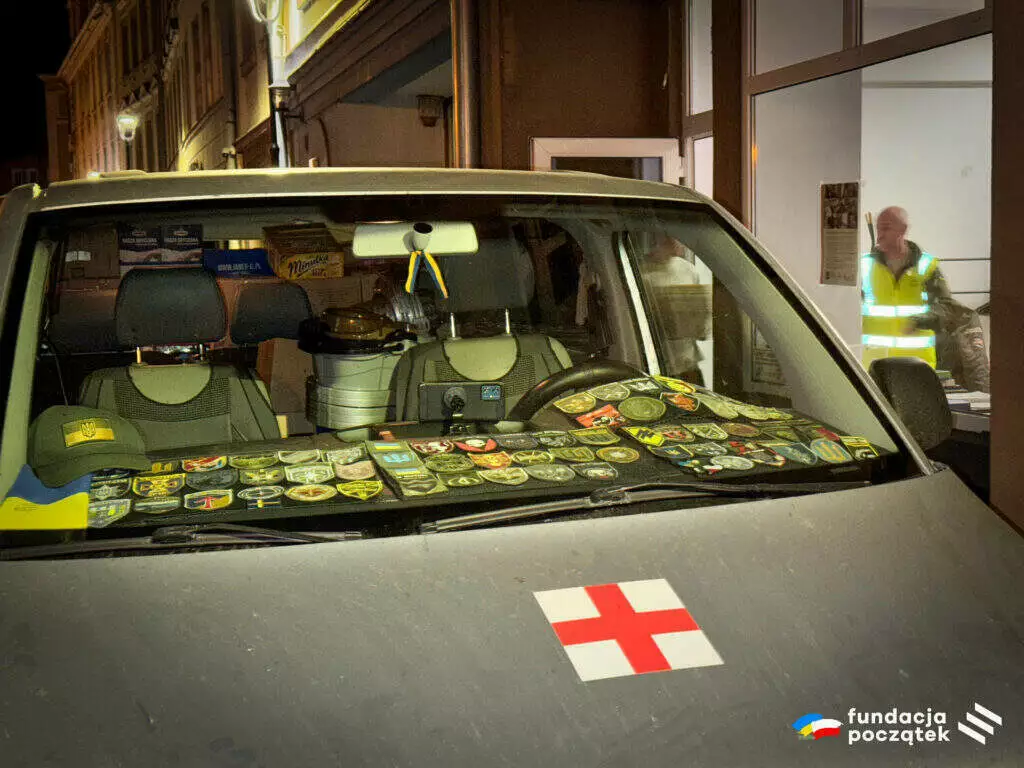
A separate issue concerns the aid provided to people on the front lines. Soldiers and medics. Here, I’m organizing fundraisers among friends. And unfortunately I am forced to demand I want the recipients to send thank-you notes. I don’t need them, but they serve as proof that the money or items weren’t wasted and that they reached the right person. If I don’t receive such a thank-you, and I did, I no longer help. I understand the difficulties soldiers have recording a thank-you. However, it’s not about my well-being that matters, but about credibility. The credibility that the funds collected weren’t stolen, that they went where they were supposed to. Without trust, I won’t be able to help others.
The biggest disappointment…
The funniest thing is that over the past eleven years, my biggest disappointment has been… my Polish friends. I once held a collection and, as usual, promised a report from the trip. Two of my friends went, wanting to go with me. Not only did I not receive the report, but they were outraged that I wanted anything from them. From then on, whenever I held collections, I didn’t notify them. A few transports left, but they didn’t. Due to their lack of understanding, I lost a lot of credibility. This affected the collections, and I can’t afford that. Or rather, the soldiers can’t afford that. Because they’re the ones receiving the help.
Is this just my experience?
No. I talk to many people who also provide aid to Ukrainians. They have a very similar experience, so I’m not an exception. You can find a wealth of expressions of gratitude online, dedicated to Poles and Poland, from Ukrainians. All it takes is a willingness to expose the deceitful incitement perpetrated by the Braun and Confederacy para-right. Or even the opposite. It’s enough not to ignore what the internet and common sense suggest. Not to mention patriotism. Polish patriotism today means using the truth. And the truth is, most Ukrainians have expressed gratitude and continue to do so.
Why does the Confederacy demand more?
The Confederation and the Braunite party are lying. They’re lying that Ukrainians are ungrateful. They’re also lying when they accuse Ukrainians of sabotage, when it’s well known that Russian intelligence is behind it. For the right-wing, hatred and envy are the tools they use. They promote post-communists, accusing others of the same. Yet, no other party besides the Braunite party includes former ZOMO thugs. The marriage of the right-wing and communists is nothing new. We went through this with Bolesław Piasecki; a pre-war right-wing extremist who collaborated with communists, becoming a prominent figure there.
From the editors
This article is a journalistic work and reflects the author’s personal experiences and opinions. The editors recognize the author’s right to present his or her own perspective, and our mission is to enable a reliable public debate based on facts, experience and responsibility for words.

What do you think about this story?
Join the conversation. Please keep comments relevant to the article.
Write a comment