For years, Warsaw has been a city where people with different experiences, cultures, and languages meet. In recent years, this diversity has become particularly visible – among other reasons due to the influx of people from Belarus after the protests and repression in 2020, and people from Ukraine after the start of Russia’s full-scale invasion in 2022. As the number of people with migration experience grows, the question arises not only of how they function in a new place, but also of the extent to which the city itself creates a space conducive to building relationships, a sense of belonging, and participation in social life.
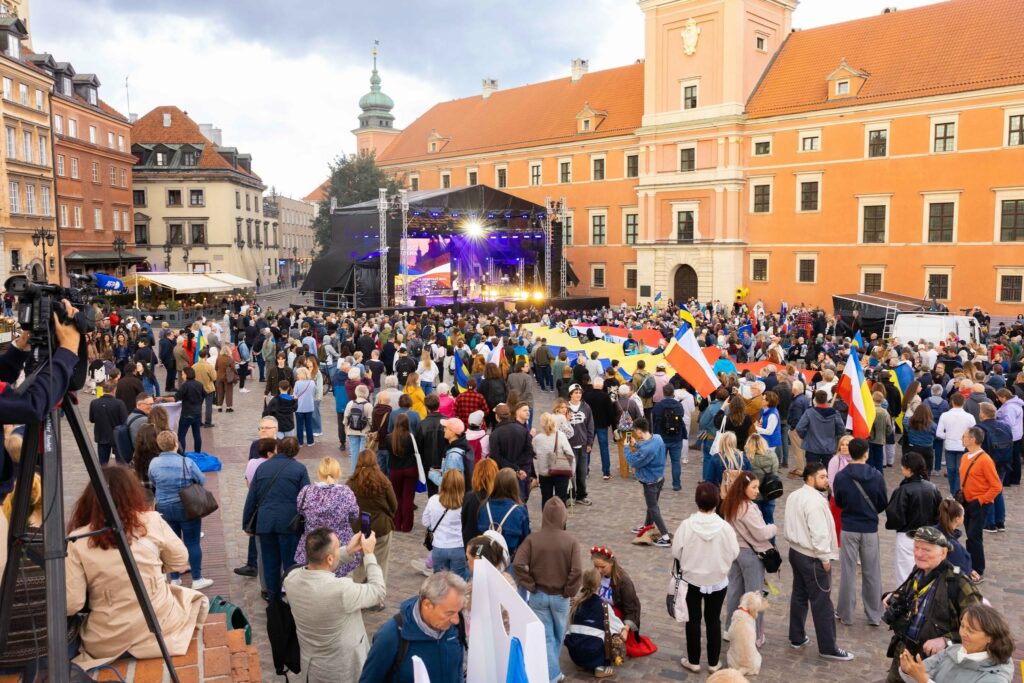


One such area is culture. Warsaw’s cultural program for 2026 is impressive both in terms of the scale of funding and the number of events organized. The city confirms its position as one of the most important cultural centers of Central Europe, taking, among other things, 2nd place in the prestigious international “The New York Times” ranking – “52 Places to Go in 2026”. In Warsaw, more than 40 000 diverse events take place (from concerts to workshops), and the latest report by the Warsaw Culture Observatory “Culture Everywhere” indicates that 41% of Warsaw residents consider culture important to them, and 63% visited a cultural institution at least once a year.
Culture as a safe space
Since 2022, initiatives fostering the development of a multicultural community have been actively growing in Warsaw. One of them is the “School of Migration” – a free educational programme run by the Strefa Wolnego Słowa Foundation for people working in the fields of culture, education, and local communities. Participants learn how to create initiatives aimed at integration and how to support cooperation between people of different cultural backgrounds. The programme is open to everyone, regardless of previous experience or length of stay in Poland.
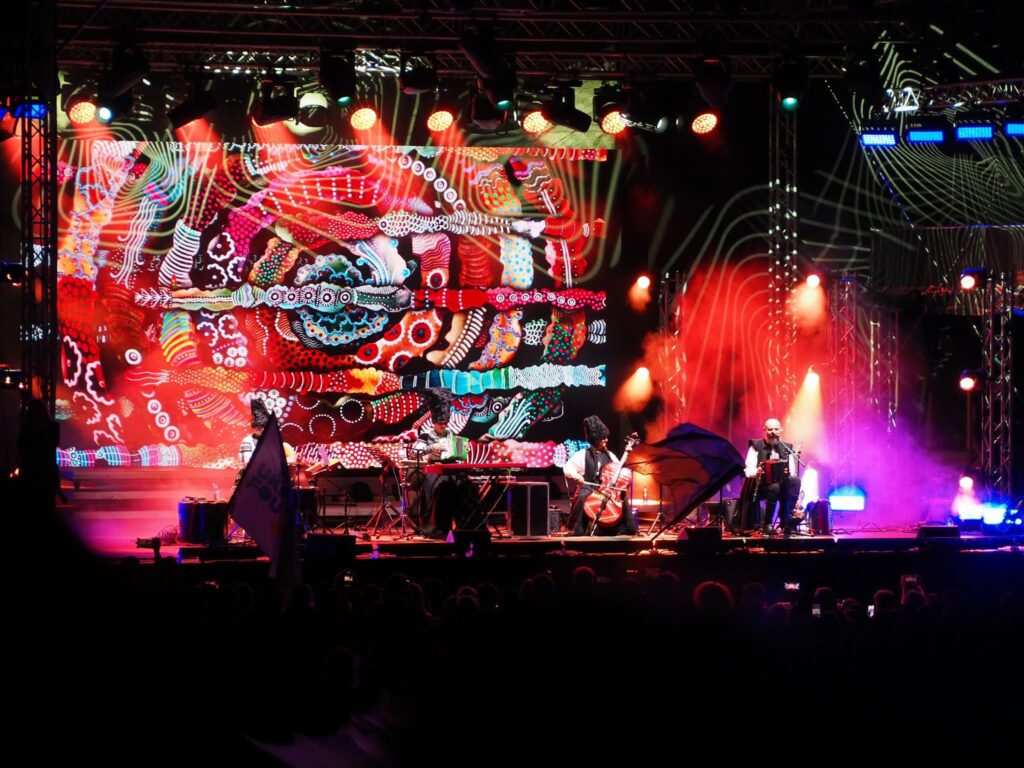
Warsaw is also a place where people seeking safety and an opportunity to start life anew arrive. Among them are people with migration experience and very different stories – people fleeing war, political persecution, or threats related to their professional and social activities. One example of the city’s response to the needs of people who, because of their activities, cannot safely continue them in their country of origin is Warsaw’s joining the international ICORN network in 2023 as a City of Refuge. The programme provides a temporary place of stay for artists, writers, and journalists experiencing persecution, enabling them not only to live safely, but also to continue their work and develop professional contacts.
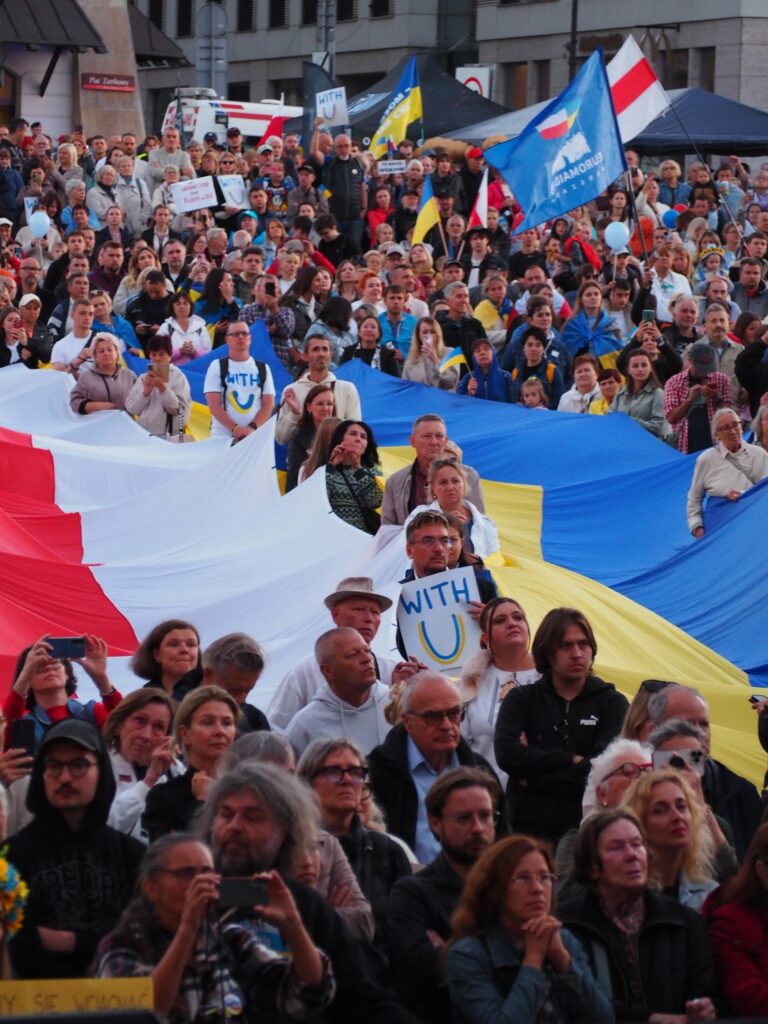
For some people with migration experience who found themselves in Warsaw as a result of war, persecution, or other threats, culture can therefore play a special role. It does not have to be merely a way of spending time or a tool for integration – it can become a space of safety, continuity, and rebuilding one’s professional life. For people who come to Warsaw as creators already having their own achievements, this means the possibility of continuing their work.
For others, especially children and young people, participation in culture can in turn become the beginning of building new relationships, developing their own interests, and finding their place in the new city.
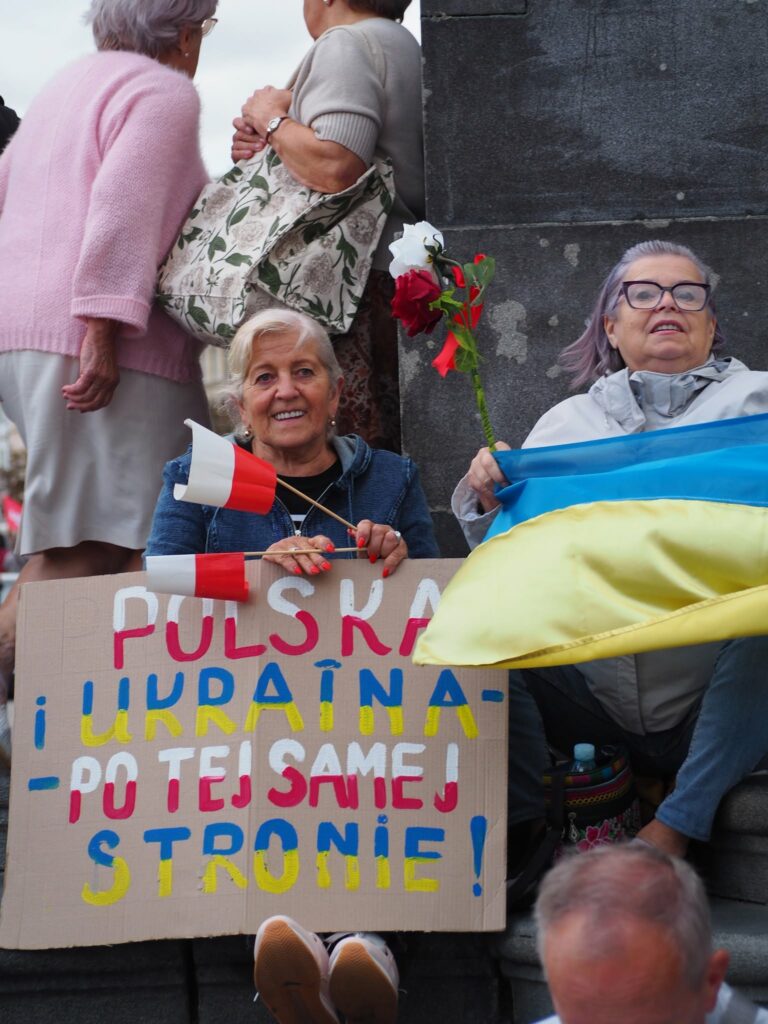
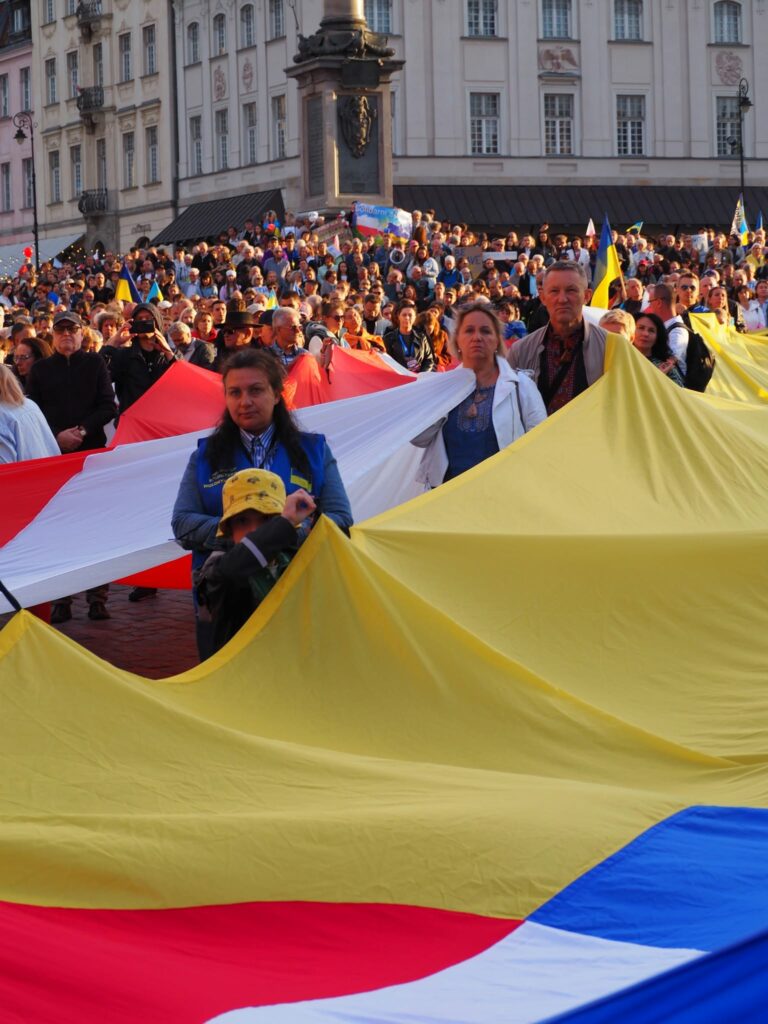
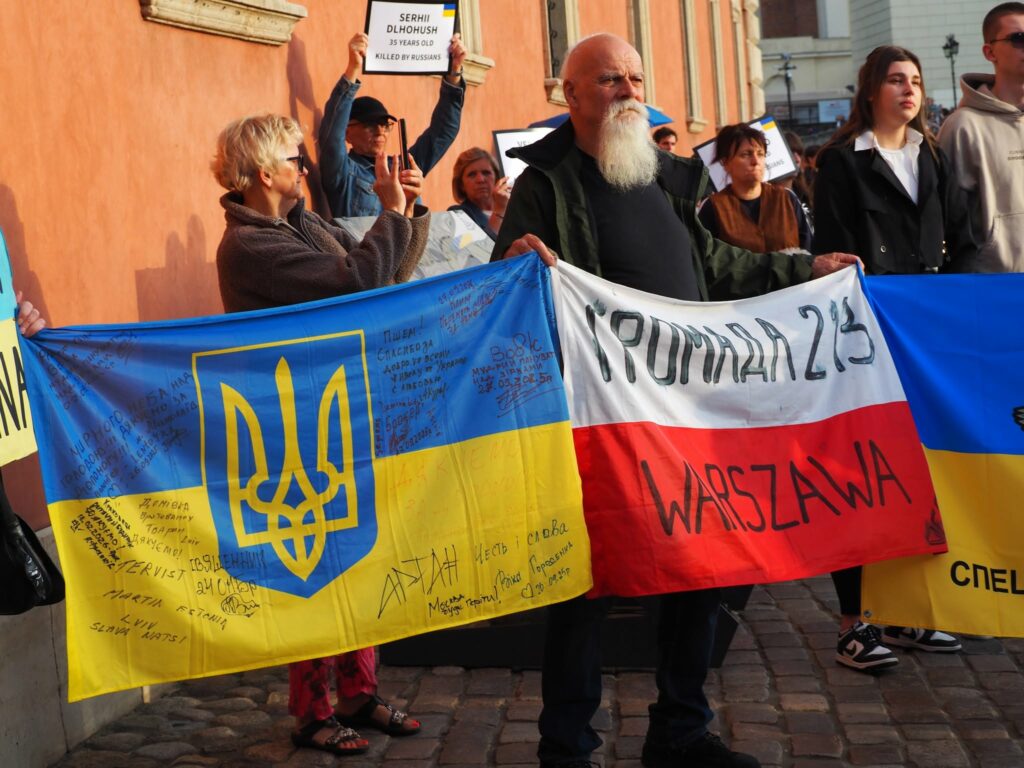
The report of the Warsaw Observatory of Culture “Children participate” points out that the accessibility of cultural offerings for children with a migration experience depends not only on their actual availability, but also on the possibilities and conditions under which families can make use of them. Everyday obstacles arise on the path to participating in cultural life, including the financial situation of families with a migration experience, the language barrier, lack of information, or difficulties in reconciling events with the rhythm of family life. For people who have recently settled in Poland, an additional challenge may be finding their way around Polish-language cultural offerings and accessing smaller, local initiatives. However, when this opportunity arises, it is worth viewing culture as a space in which the child themselves can begin to build a relationship with the new city. The Foundation for Freedom organizes free intercultural workshops in schools as well as integration trips for multicultural classes. Such activities help children with a migration experience find their place in a new environment, and help their Polish peers better understand life in a multicultural city.
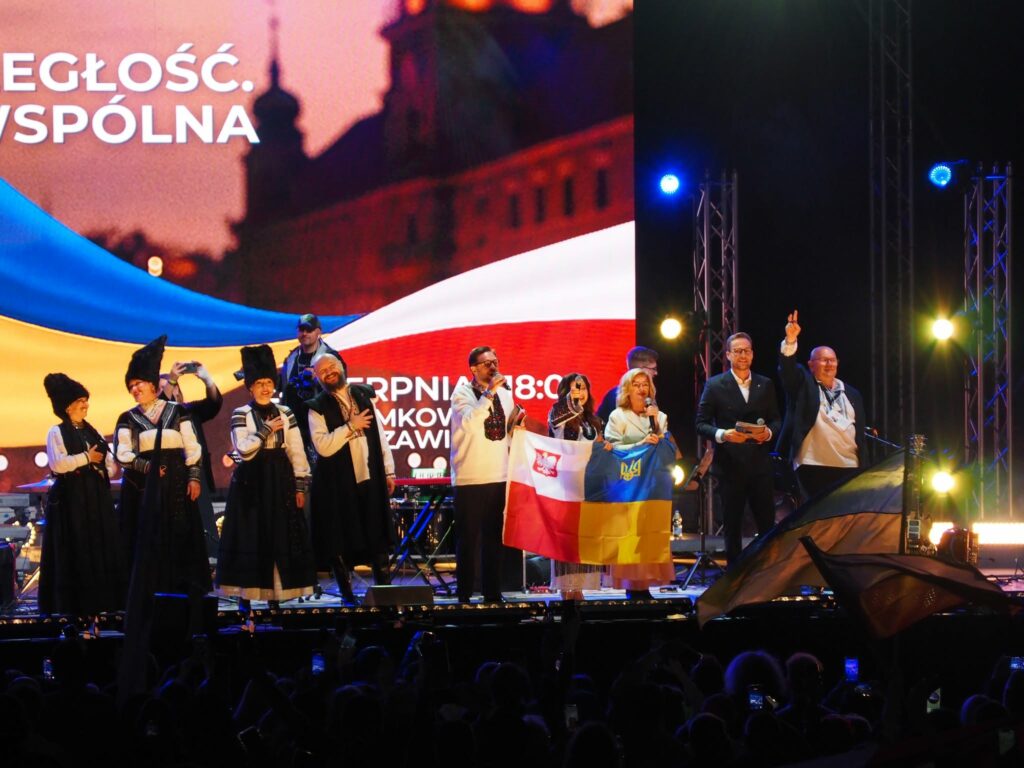
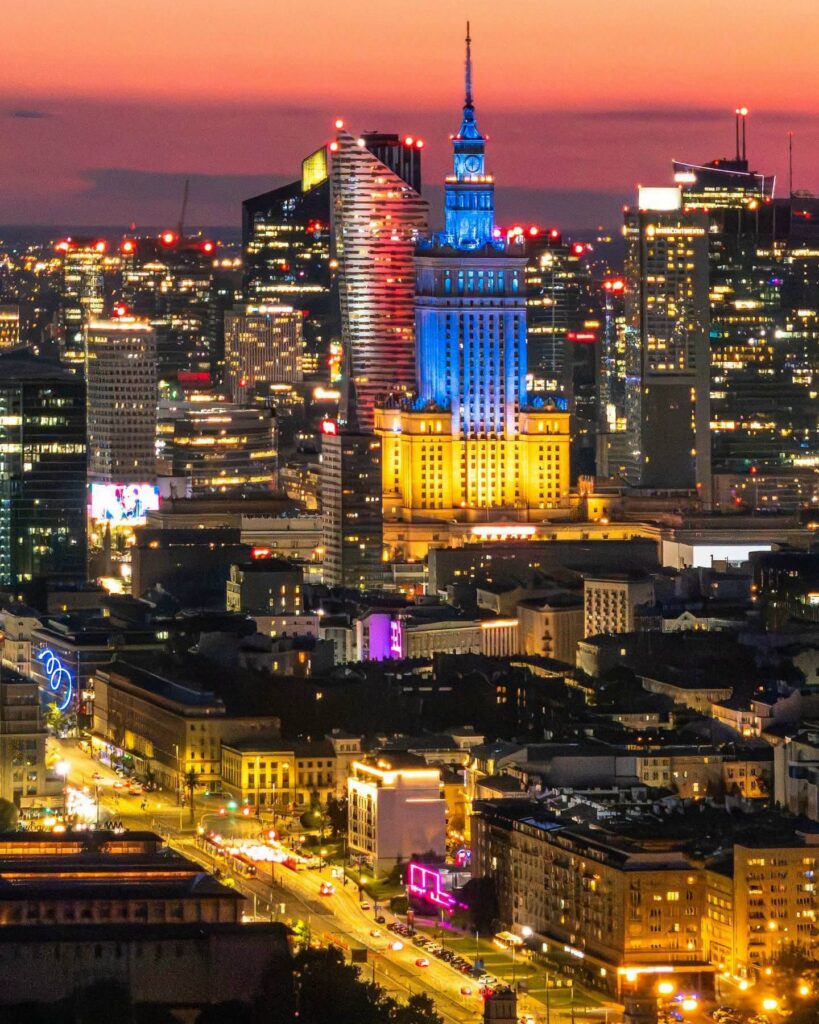
For young people who have found themselves in Warsaw as a result of war, persecution, or their families’ migration, participation in culture can mean something more than spending free time—it can become a way to express themselves, develop creative potential, build relationships, and gradually find their own place in a new reality.
Warsaw’s cultural institutions increasingly view the participation of children with migration experience not as a separate area of activity, but as part of a broader process of opening culture to diversity. What becomes crucial is recognizing children’s individual needs without stigmatizing them or reducing them to their origin, as well as taking into account the role of families, developing the competences of institutional staff, and creating spaces that foster relationship-building among children. This direction means a gradual shift from creating an offer “for migrants” to building a culture that is accessible and welcoming to people with different experiences.
What does the city get out of it?
Integration is not the same as assimilation. It is not about people with migration experience giving up their own language, culture, or previous identity and fully adopting the patterns of the receiving society. On the contrary—well-functioning integration assumes the possibility of preserving one’s own heritage while participating in the life of the new place. In this process, culture can play a special role: creating a space for meeting, exchanging experiences, and getting to know one another, while also enabling people with migration experience to develop their own interests, competences, and creative potential.
Artists and cultural workers with migration experience enrich the local offer with new perspectives, languages, and artistic forms. An example is a program of the Old Town Cultural Center, which supported Ukrainian artists and coordinated their employment in Warsaw’s cultural institutions. Thanks to this, the city gains new creators and competences, and residents gain access to new perspectives, languages, and cultural experiences. A similar role is played by Belarusian cultural initiatives—from the activities of theatre groups such as Kupalaucy to the Museum of Free Belarus or the Belarusian House.
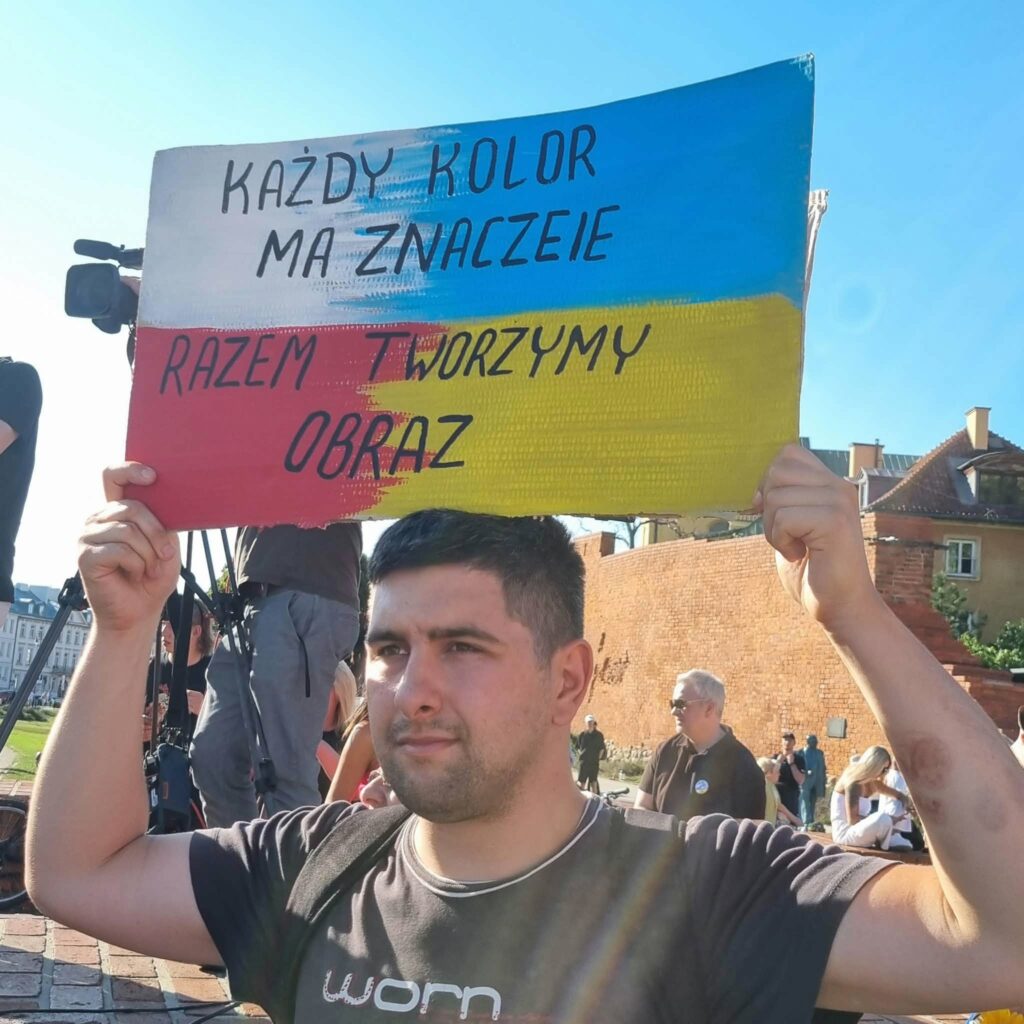
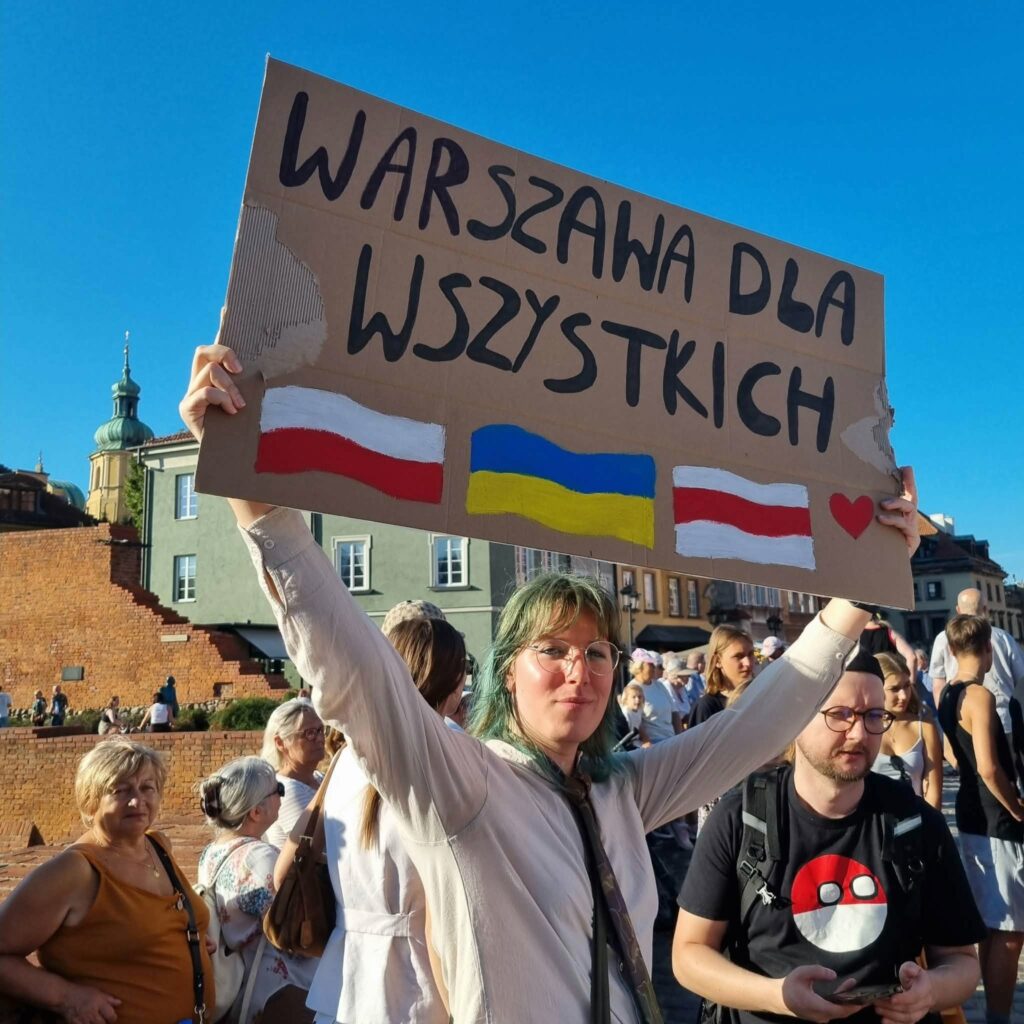
The city gains from this not only active participants in cultural life, but also new competencies and cooperation networks, a more diverse offer, and the opportunity to build relationships between residents of different cultures. Examples also include film festivals and screenings, such as the Summer Film Review Under a Common Sky, presenting Ukrainian, Belarusian, Vietnamese, Indian, Georgian and Belarusian productions, which allow Polish audiences to get to know other experiences and perspectives without having to leave the city.
The benefits of such an approach, however, are not limited to the participants themselves. When people with migration experience become active participants in cultural life, they also co-create the city—they bring their own stories, languages, perspectives, knowledge and cultural practices. Opening cultural institutions to diversity can therefore broaden not only their audience, but also the very definition of what the city’s culture is and who has the right to co-create it. In this process, Warsaw is not merely a place that offers new residents safety and the possibility to start life anew. It, too, changes—it becomes a space that its residents, regardless of origin, create together.
Source: Nowiny Wschodnie / author: Anastasiia Sabatovska
© Nowiny Wschodnie. Publication and distribution of the material only with attribution to the author and an active link to the original article.


What do you think about this story?
Join the conversation. Please keep comments relevant to the article.
Write a comment