

The government is finally scrapping the “Kredyt na start” (Start-up Loan) project, which has been generating enormous controversy for months. Following a wave of public outrage over the price-inflating subsidies, a completely new proposal is on the table – the “Key to the Apartment” program. It’s a veritable earthquake on the Polish real estate market. The biggest change? A complete shutdown of the primary market. State budget funds will now be allocated exclusively to second-hand apartments and support for social housing. Experts are already shaking their heads and warning of new, rather unexpected problems for ordinary buyers.
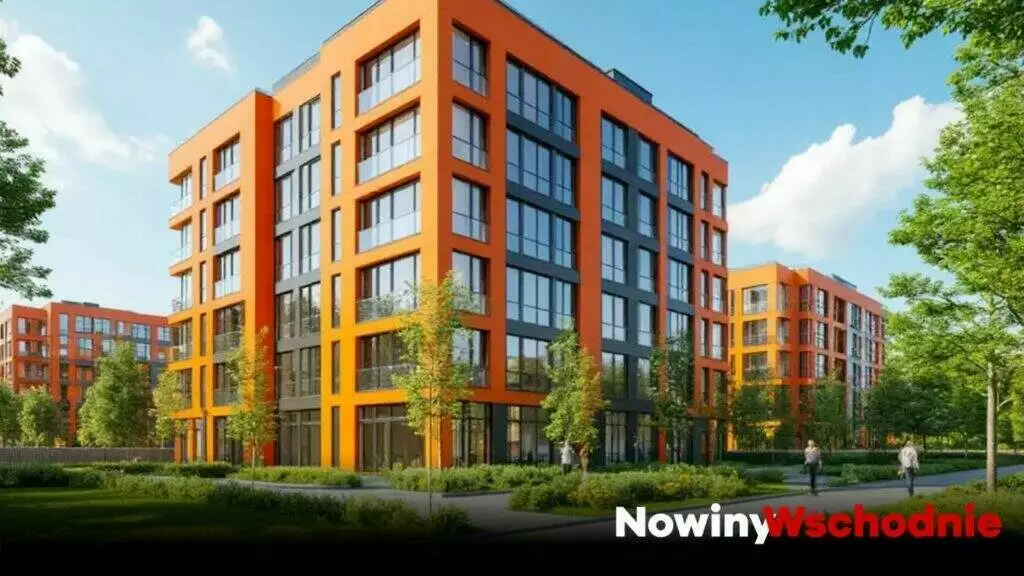
Only second-hand apartments and a fierce fight against flippers


The authorities have decided to learn from the mistakes of previous programs, which caused new apartment prices to skyrocket. To avoid a repeat of the experience, installment subsidies will now only be available for purchases of properties on the secondary market. Developers are having to make do with this, which has already caused considerable panic in the industry.
But that’s not all, because the new program also targets the fast-paced real estate market. To curb the phenomenon of so-called flipping (buying run-down apartments, renovating them cheaply, and selling them quickly with a huge profit margin), a truly hard rules. The building in which we’re buying an apartment must be at least five years old. Additionally, the seller must have owned it for the past three years. If someone bought the apartment a year ago and now wants to sell it to us, we can’t count on government subsidies.
Hard price limits – who will actually get in?
The government has also clamped down on asking prices to prevent sellers from adding a “surcharge tax” to their prices. In the five most expensive cities in Poland (Warsaw, Krakow, Gdansk, Poznan, and Wroclaw), the price per square meter cannot exceed 11,000 złoty. In the rest of the country, this threshold is a maximum of 10,000 złoty. zlotys per meter.
What does this mean in practice? If you find your dream apartment in Warsaw, where the seller is asking 12,000 PLN per square meter, the system will automatically reject your application. The government is making it clear: we won’t subsidize premium apartments; the program is intended to help you afford a basic roof over your head.
1.5% loan only for those earning less
The “Key to the Apartment” loan itself will carry an interest rate of 1.5%, with a system of decreasing installments. This time, however, the income spectrum is very narrow. Preferential terms will only apply to those earning less. The threshold for a single person is 6,500 PLN net (net), and for a two-person household, 11,000 PLN net. If you earn a hundred more, don’t worry, you won’t be excluded from the program, but the “zloty for zloty” rule will apply. Your subsidy will simply be reduced accordingly.
Interestingly, the government is making a significant shift towards rental housing. A staggering PLN 2.5 billion will be allocated to Social Housing Initiatives (SIM) and the popular Social Housing Associations (TBS). The authorities promise that this will create 35,000 affordable rental apartments in the coming years. This is a nod to those who don’t want or can’t commit to a 30-year mortgage.
New Traps? Experts Warn of Price Spikes in Smaller Cities
While cutting off developers is meant to cool the market, analysts see a huge gap. There’s a very real risk that the new regulations will artificially increase prices, this time in smaller towns. Since the government says it will subsidize apartments costing a maximum of 10,000 złoty per square meter, sellers in district towns (where prices currently hover around 6,000-7,000 złoty) could suddenly raise their prices. Why wouldn’t they, when the buyer will come with a cheap government loan anyway?
On the other hand, the lack of government funding for the primary market could force developers to curtail new investments. If they build less, the market will once again experience a housing shortage, which in the long run will lead to further increases.
Sources: Business Insider.com / Lendi.pl / BIK.pl

What do you think about this story?
Join the conversation. Please keep comments relevant to the article.
Write a comment